Table of Contents
Top Neck Pain Specialist in Hyderabad | Dr. P. Purohithi
Neck pain has emerged as one of the most common musculoskeletal complaints affecting urban adults across India today. In dynamic technology hubs like HITEC City, Gachibowli, and Financial District, as well as residential areas including Kondapur, Madhapur, Nallagandla, Miyapur, and Kothaguda, modern lifestyle demands have triggered a sharp rise in cervical spine disorders. Long hours spent looking at digital screens, poor desk posture, lack of physical conditioning, and age-related wear frequently combine to cause persistent neck stiffness, restricted motion, and radiating arm discomfort.
When neck pain continues for weeks or months, many patients worry that their only choices are taking oral pain medications indefinitely or undergoing major spine surgery. Fortunately, modern interventional spine care offers a highly effective, non-surgical middle path.
Consulting a dedicated Neck Pain Specialist in Hyderabad, such as Dr. P. Purohithi (MBBS, MD, IDRA, FIPM) at Apollo Medical Centre / Apollo Hospital in Kondapur, provides patients with access to precision diagnostic testing and advanced, image-guided interventional procedures designed to target the structural cause of cervical discomfort without open surgery.
Understanding Neck Pain: Anatomy of the Cervical Spine
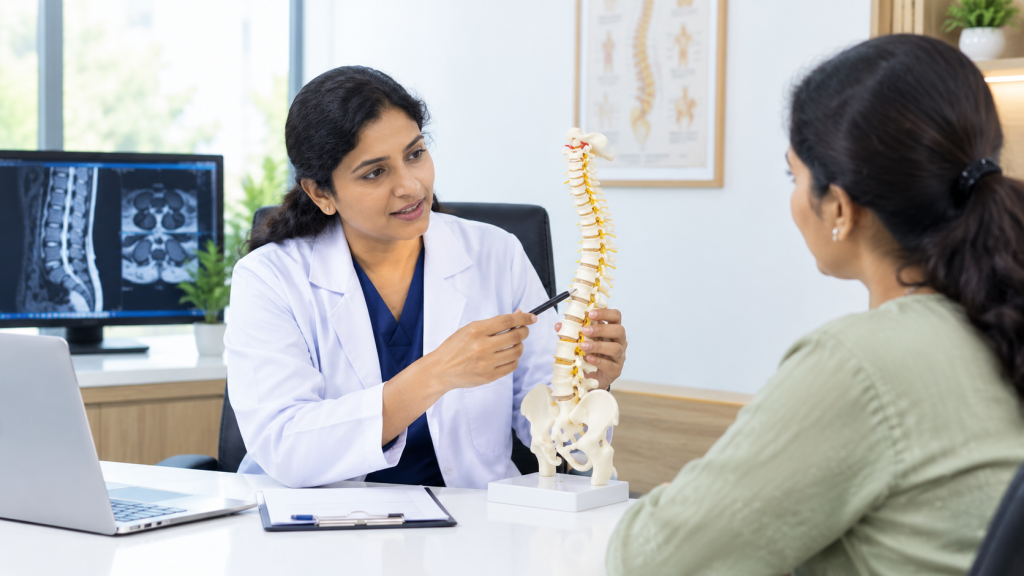
The cervical spine is an extraordinarily intricate structure designed to support the weight of the human head (which weighs approximately 4.5 to 5.5 kilograms in a neutral upright position) while providing a vast range of multi-directional motion.
The cervical spine consists of seven vertebrae (C1 through C7) separated by intervertebral discs, linked posteriorly by small paired synovial joints called facet joints, and supported by a complex network of muscles, tendons, and ligaments. Crucially, the cervical spinal cord passes through the central spinal canal, giving off paired nerve roots (C1 through C8) that travel down through the shoulders, arms, forearms, and hands.
| Cervical Component | Anatomical Function | Clinical Issue When Impaired |
| Intervertebral Discs (C2–C7) | Shock-absorbing cushions between vertebrae | Disc bulge, protrusion, loss of disc height |
| Facet Joints | Guide rotation and bending movements | Facet arthropathy, localized neck stiffness |
| Cervical Nerve Roots (C1–C8) | Transmit sensory and motor signals to arms | Cervical radiculopathy, arm numbness, sharp pain |
| Paraspinal Muscles & Ligaments | Provide dynamic support and postural balance | Myofascial strain, muscular spasms, tension pain |
Acute vs. Chronic Neck Pain
- Acute Neck Pain: Typically resolves within 2 to 6 weeks. It usually stems from sudden muscular strain, ligament sprains, or minor sleeping posture misalignment (“crick in the neck”).
- Chronic Neck Pain: Persists for 12 weeks (3 months) or longer. It often involves structural alterations such as disc herniations, facet joint arthritis, or sensitized central pain pathways, requiring specialized evaluation by an interventional spine physician.
Primary Cervical Conditions Managed by a Neck Pain Specialist
Neck discomfort can originate from several distinct anatomical structures. Identifying the exact source of pain is essential for delivering targeted treatment.
1. Cervical Radiculopathy (Pinched Nerve in the Neck)
Cervical radiculopathy occurs when a spinal nerve root in the neck becomes compressed or irritated by a bulging intervertebral disc or bone spur (osteophyte). Pain typically radiates from the neck down into the shoulder blade, upper arm, forearm, and fingers along specific nerve pathways (dermatomes). Patients often describe electric shock-like sensations, burning pain, pins-and-needles (paresthesia), or localized hand weakness.
2. Cervical Facet Joint Arthropathy
Facet joints located at the back of each cervical vertebra can develop degenerative arthritis over time. This condition causes localized, deep aching pain in the neck that intensifies when turning the head, looking up, or holding the neck still for extended periods. Pain frequently refers down into the upper back and shoulder blades without extending past the elbow.
3. Cervicogenic Headaches
Cervicogenic headaches are secondary headaches caused by structural dysfunction in the upper cervical spine (joints C1, C2, and C3) or surrounding neck muscles. Pain typically originates at the base of the skull and radiates forward over one side of the head, behind the eye, or into the forehead.
4. Cervical Disc Herniation & Degenerative Disc Disease
As cervical discs lose hydration and collagen height with age or repetitive mechanical stress, the tough outer fibrous ring (annulus fibrosus) can tear. The gel-like inner core (nucleus pulposus) may protrude into the spinal canal, irritating nearby nerves and triggering localized neck inflammation.
5. Myofascial Pain Syndrome & Tech Neck
Prolonged muscle contraction caused by poor posture leads to tight, painful knots (trigger points) within the trapezius, levator scapulae, and rhomboid muscles. This soft-tissue strain causes persistent upper back and neck soreness.
Causes and Everyday Risk Factors in Urban Hyderabad
The demands of modern office work and digital device usage play a major role in the onset of cervical spine problems.
- Forward Head Posture (“Tech Neck”): When the head tilts forward by just 15 degrees to view a phone or computer screen, the effective load placed on the cervical spine increases from 5 kilograms to nearly 12 kilograms. At a 40-degree tilt, the cervical spine bears approximately 20 kilograms of continuous mechanical stress, accelerating disc wear and muscular fatigue.
- Unoptimized Workstations: Poor monitor positioning, lack of armrest support, and extended static sitting in IT environments put constant stress on upper back and neck muscles.
- Age-Related Spine Changes: Natural wear gradually reduces disc height, bringing adjacent vertebrae closer together and increasing mechanical friction across cervical facet joints.
- Poor Sleeping Posture: Using overly thick or unsupportive pillows can hold the cervical spine in an unnatural position overnight, triggering muscle spasms.
- Whiplash Injuries: Sudden deceleration forces from motor vehicle accidents or sports injuries can strain cervical ligaments and joints.
Diagnostic Evaluation: Finding the Anatomical Source of Pain
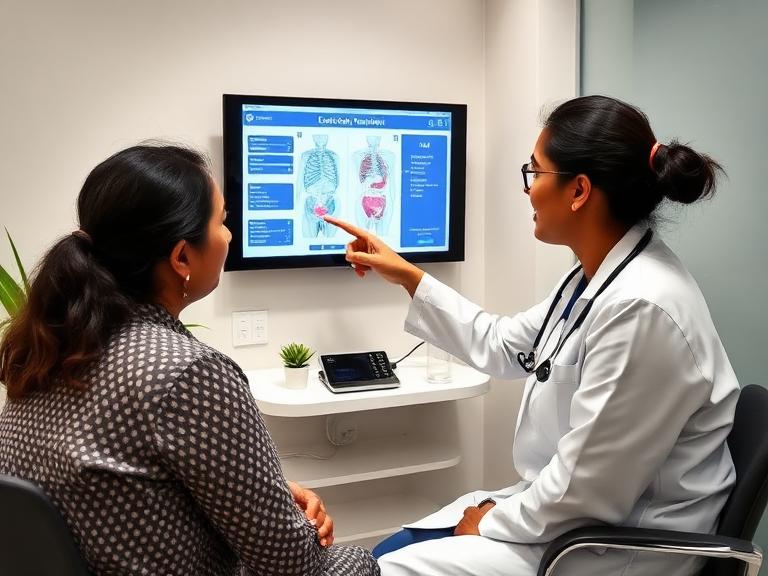
Accurate diagnosis is the foundation of successful non-surgical spine treatment. Because MRI scans often reveal age-related disc bulges that may not actually be causing a patient’s pain, a specialist cross-references imaging findings with physical examination results.
At Dr. P. Purohithi’s pain management practice, diagnostic evaluation follows a thorough four-step process:
- In-Depth Clinical Consultation: Mapping symptom history, pain trajectory, daily movement triggers, work environment, and sleep quality.
- Comprehensive Physical & Neurological Examination: Assessing cervical range of motion, muscle strength in specific arm groups, sensory dermatomes, and deep tendon reflexes (biceps, brachioradialis, triceps).
- Provocative Examination Maneuvers: Conducting physical tests such as Spurling’s maneuver (gentle head tilting and extension to check for nerve root compression) and cervical distraction testing.
- Radiological Correlation: Reviewing high-resolution cervical MRIs, X-rays, or CT scans to ensure structural findings match the patient’s physical symptoms.
To learn more about diagnostic approaches, visit the About Dr. P. Purohithi page.
Non-Surgical Treatment Options for Chronic Neck Pain
Interventional pain management uses targeted, image-guided, minimally invasive procedures to reduce local inflammation, interrupt pain signaling, and help patients return to active rehabilitation without open surgery.
1. Cervical Epidural Steroid Injections (ESI)
A primary non-surgical intervention for severe arm pain, cervical radiculopathy, and nerve root compression caused by disc bulges.
- How it works: Performed under real-time C-Arm fluoroscopic guidance, a micro-needle is positioned in the epidural space adjacent to the compressed cervical nerve root. Contrast dye confirms precise placement before delivering targeted anti-inflammatory medication.
- Clinical Benefits: Reduces nerve root swelling, washes away pro-inflammatory proteins, relieves radiating arm pain, and restores mobility.
2. Cervical Facet Joint Injections & Radiofrequency Ablation (RFA)
Indicated for chronic neck stiffness and localized joint pain caused by facet joint arthritis.
- How it works: Diagnostic blocks first confirm which facet joints are generating pain. Once verified, radiofrequency ablation uses thermal energy to temporarily deactivate the small sensory nerves (medial branches) supplying those joints.
- Clinical Benefits: Provides sustained pain relief lasting 6 to 18 months, allowing patients to participate in neck-strengthening physical therapy.
3. Occipital Nerve Blocks & Pulsed Radiofrequency (PRF)
Used for patients suffering from cervicogenic headaches or occipital neuralgia.
- How it works: High-resolution ultrasound guidance allows accurate delivery of local anesthetic or application of pulsed radiofrequency electric fields around the greater or lesser occipital nerves at the base of the skull.
- Clinical Benefits: Quiets hyperactive nerve pathways and reduces headache frequency and intensity.
4. Regenerative Medicine: Platelet-Rich Plasma (PRP) Therapy
For patients with chronic ligamentous strain or early degenerative joint changes seeking biological support.
- How it works: A small sample of the patient’s blood is processed in a centrifuge to isolate concentrated platelets rich in natural growth factors. The plasma is then injected under ultrasound guidance into damaged tendons or joint structures.
5. Multimodal Rehabilitation & Ergonomic Correction
Interventional procedures help lower acute pain levels so patients can safely begin physical therapy, postural conditioning, core strengthening, and ergonomic workplace modifications.
To explore all available treatments, visit our dedicated Services & Procedures section.
Benefits, Limitations, and Safety Profile
Understanding the advantages and scope of interventional neck care helps patients make informed healthcare decisions.
Key Clinical Benefits
- Non-Surgical Preservation: Procedures require no surgical incisions, muscle cutting, or structural alterations, preserving natural spine mechanics.
- Outpatient Convenience: Performed under local anesthesia on a day-care basis, allowing patients to return home the same day.
- Targeted Image-Guided Safety: Real-time Fluoroscopy and Ultrasound guidance ensure precise needle placement, protecting nearby blood vessels and delicate neural tissue.
- Reduced Medication Dependency: Minimizes reliance on long-term oral painkillers, reducing risks of gastrointestinal and renal side effects.
Limitations & Realistic Expectations
Interventional procedures aim to calm nerve inflammation, deactivate painful joint signals, and improve function. While many patients experience long-term relief, these treatments do not alter natural age-related spine anatomy. Instead, they provide a comfortable window of relief that enables active muscle rehabilitation and lifestyle adjustment.
Procedural Safety Profile
When performed by a fellowship-trained interventional pain physician using strict sterile protocols and real-time image guidance, procedures carry low complication rates. Mild temporary local site soreness or brief skin flushing may occasionally occur.
Red-Flag Symptoms: When to Seek Immediate Emergency Care
While most neck pain can be managed safely through scheduled outpatient consultations, certain severe neurological symptoms require immediate emergency hospital evaluation:
- Progressive muscle weakness in the arm, hand, or grip (e.g., dropping objects unexpectedly).
- Difficulty with fine motor tasks, such as buttoning a shirt or writing, accompanied by gait unsteadiness (potential signs of Cervical Myelopathy or spinal cord compression).
- Sudden loss of bowel or bladder control.
- Severe neck pain accompanied by high fever, chills, severe headache, or confusion.
- Acute, severe neck pain following major physical trauma, such as a road traffic accident or fall.
If you experience these red-flag symptoms, seek emergency hospital care immediately.
To book a standard outpatient appointment for ongoing neck, shoulder, or arm pain, visit the Booking & Appointment Portal.
Profile of the Specialist: Dr. P. Purohithi
Selecting a pain physician with sub-specialty fellowship training in interventional spine care is essential for safe and effective cervical treatment.
Medical Background & Credentials
Dr. P. Purohithi is a Senior Interventional Spine and Musculoskeletal Pain Physician practicing in Kondapur, Hyderabad. With over 13 years of broad clinical experience, her practice focuses on non-surgical, image-guided procedures for acute and chronic spine, nerve, and joint pain conditions.
- Medical Foundation: Earned her MBBS from PES Institute of Medical Sciences and Research (Kuppam) and MD in Anaesthesiology from Narayana Medical College (Nellore), developing expertise in nerve block anatomy, pain pathways, and pharmacology.
- Sub-Specialty Fellowships: Completed advanced post-graduate qualifications, including the Fellowship in Interventional Pain Management (FIPM) from Aesculap Academy / Daradia Pain Clinic and the Indian Diploma in Regional Anaesthesia (IDRA) from Sir Ganga Ram Hospital, New Delhi.
- Awards & Professional Standing: Awarded the Dr. A.P.J. Abdul Kalam Medical & Health Excellence Award (2024) for clinical contributions to non-surgical pain care. Active member of the Indian Society for the Study of Pain (ISSP), Indian Society of Anaesthesiologists (ISA), and Indian College of Anaesthesia.
Patient Care Philosophy
Dr. Purohithi emphasizes accurate, individual diagnostic evaluations. She takes time to review symptom history, perform physical examinations, and evaluate MRI imaging to create clear, non-surgical treatment plans tailored to each patient’s daily routine.
To learn more, visit the About Dr. P. Purohithi page.
Frequently Asked Questions (FAQs)
1. What does a Neck Pain Specialist do?
A Neck Pain Specialist is a physician with specialized training in diagnosing and treating cervical spine conditions using non-surgical interventional procedures, such as image-guided epidurals, facet joint blocks, radiofrequency ablation, and structured physical therapy.
2. Can chronic neck pain be treated without open surgery?
Yes. The majority of chronic neck pain cases, including disc bulges, facet arthritis, and cervical radiculopathy, can be managed effectively without open surgery using targeted interventional procedures and physical rehabilitation.
3. Where can I consult Dr. P. Purohithi in Hyderabad?
Dr. P. Purohithi consults at Apollo Hospital / Apollo Medical Centre, located near AMB Mall, Kothaguda X Roads, Kondapur, Hyderabad, Telangana 500084.
4. What is Cervical Radiculopathy and how is it treated?
Cervical radiculopathy occurs when a nerve root in the neck is compressed by a bulging disc or bone spur, causing radiating arm pain, numbness, or tingling. Non-surgical treatment includes fluoroscopy-guided cervical epidural steroid injections that reduce nerve swelling and pain.
5. What is “Tech Neck” and how can it be managed?
“Tech Neck” refers to strain on the cervical spine caused by prolonged forward-head tilt while using smartphones or computers. It is managed through ergonomic adjustments, postural exercise, physical therapy, and targeted muscle or nerve interventions if pain becomes severe.
6. What is Cervical Facet Radiofrequency Ablation (RFA)?
RFA is a minimally invasive, image-guided procedure that uses gentle thermal energy to temporarily deactivate sensory nerves supplying painful, arthritic cervical facet joints. It provides sustained pain relief without affecting arm strength.
7. How long does pain relief last after a cervical spine procedure?
Epidural steroid injections typically provide several months of relief, while Cervical Facet Radiofrequency Ablation can provide relief lasting from 6 to 18 months or longer.
8. What is a Cervicogenic Headache?
A cervicogenic headache is a secondary headache caused by joint or muscle issues in the upper neck. Pain originates at the base of the skull and radiates forward over the head or behind one eye.
9. Are interventional neck injections performed under general anesthesia?
No. Procedures are performed safely under local anesthesia, sometimes accompanied by mild sedation for comfort. Patients remain awake and relaxed throughout the outpatient procedure.
10. How quickly can I return to work after a cervical epidural injection?
Cervical epidurals are outpatient day-care procedures. Patients return home the same day after a brief observation period and can usually resume light office work within 24 to 48 hours.
11. Is an MRI scan necessary before visiting a neck pain specialist?
An MRI scan provides detailed structural images of discs, facet joints, and nerve roots. If you already have recent cervical MRI films and written reports, please bring them to your consultation. If needed, Dr. Purohithi can request targeted scans after your physical exam.
12. How does Platelet-Rich Plasma (PRP) help in neck pain?
PRP therapy uses a concentrated sample of the patient’s own blood platelets, rich in growth factors, injected under ultrasound guidance to support biological repair in chronically strained cervical ligaments and joints.
13. Does health insurance cover day-care cervical spine procedures in Hyderabad?
Many health insurance policies and corporate TPA coverages in India approve day-care interventional spine procedures when recommended by a qualified specialist. Check with your insurance provider or clinic desk for specific details.
14. What areas in Hyderabad are close to Dr. Purohithi’s Kondapur practice?
The Kondapur clinic is easily accessible to patients living or working in Kondapur, HITEC City, Gachibowli, Madhapur, Nallagandla, Miyapur, Kothaguda, Kukatpally, and Financial District.
15. How can I schedule a neck pain consultation with Dr. P. Purohithi?
You can book an appointment online at https://drpurohithi.com/booking-appointment/ or call the care team at +91 88856 23283.