Table of Contents
How Does Sea Freight Shipping Work from Dubai?
Introduction: Why Sea Freight from Dubai Is So Important
Dubai is one of the world’s most powerful maritime logistics hubs. Its strategic location between East and West, combined with advanced port infrastructure, makes it a preferred origin for international sea freight shipments.
Businesses choose sea freight from Dubai because of:
- Cost efficiency for bulk cargo
- Global connectivity
- Strong customs and trade systems
- Access to over 150 international ports
Understanding how sea freight shipping works from Dubai is critical for:
- Importers
- Exporters
- Manufacturers
- Traders
- Project cargo handlers
This guide explains the entire process step by step, without confusion.
Step 1: Cargo Assessment & Shipping Method Selection
The sea freight process starts before anything moves.
Key Factors Evaluated
- Cargo type
- Weight & dimensions
- Packaging method
- Destination country
- Delivery timeline
Shipping Options from Dubai
- FCL (Full Container Load)
- LCL (Less than Container Load)
- Break Bulk Cargo
- RORO Shipping
- Project Cargo
📌 Choosing the wrong method can increase costs and delays.
Step 2: Booking Sea Freight from Dubai
Once the cargo type is finalized, the shipment is booked with a freight forwarder.
What Happens During Booking
- Space reservation on vessel
- Container allocation (if applicable)
- Sailing schedule confirmation
- Rate finalization
Key Booking Details
- Port of loading (usually Jebel Ali)
- Port of discharge
- Transit time
- Incoterms (FOB, CIF, CFR, etc.)
📌 Dubai offers weekly and even daily sailings to major global destinations.
Step 3: Export Documentation Preparation
Documentation is the backbone of sea freight shipping.
Mandatory Documents
- Commercial Invoice
- Packing List
- Bill of Lading (B/L)
- Export Declaration
- Certificate of Origin (if required)
Why Documentation Matters
Incorrect paperwork can result in:
- Customs delays
- Cargo holds
- Penalties
- Shipment rejection
📌 Dubai customs is efficient but very strict.
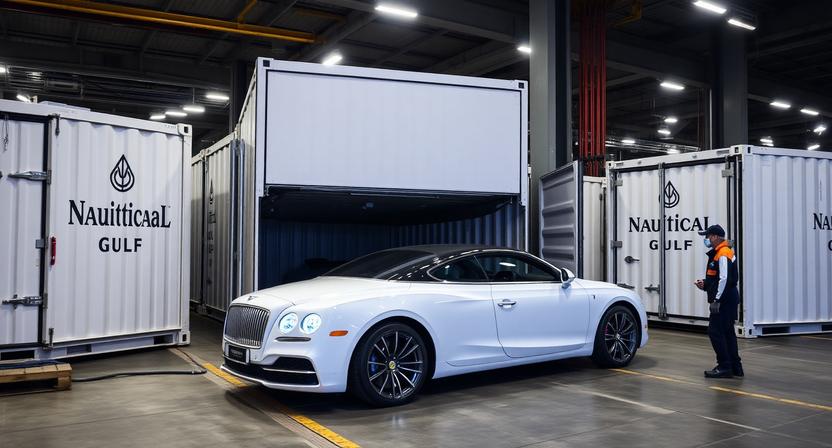
Step 4: Cargo Stuffing & Container Loading
For FCL Shipments
- Container delivered to warehouse
- Cargo loaded and secured
- Container sealed
For LCL Shipments
- Cargo delivered to consolidation warehouse
- Combined with other shipments
- Loaded into shared container
For Non-Container Cargo
- Individual handling
- Special lashing and securing

📌 Proper stuffing prevents damage during ocean transit.
Step 5: Port Handling at Dubai Ports
Most sea freight shipments move through Jebel Ali Port, one of the largest ports in the world.
Port Activities Include
- Container gate-in
- Terminal handling
- X-ray scanning (if required)
- Customs export clearance
Why Jebel Ali Is Preferred
- Deep-water berths
- Fast turnaround time
- Advanced automation
- Global carrier connectivity
Step 6: Export Customs Clearance in Dubai
Export clearance ensures cargo legally leaves the UAE.
Clearance Process
- Document verification
- Cargo inspection (if selected)
- Export approval
📌 Dubai uses digital customs systems, speeding up approvals.
Step 7: Vessel Loading & Departure
After clearance:
- Containers or cargo are loaded onto vessel
- Secured based on international safety standards
- Vessel departs as per schedule
📌 Shipping lines follow strict stowage plans for safety.
Step 8: Ocean Transit Phase
This is the longest stage of sea freight shipping.
Transit Time Depends On
- Destination
- Route
- Transshipment ports
- Weather conditions
Typical Transit Times from Dubai
- Asia: 7–15 days
- Europe: 18–30 days
- Africa: 10–25 days
- Americas: 30–45 days
📌 Sea freight is slower than air but far more economical.
Step 9: Arrival at Destination Port
Once the vessel arrives:
- Cargo is unloaded
- Moved to port storage
- Arrival notice issued
📌 Delays can occur if destination documentation is incomplete.
Step 10: Import Customs Clearance
Import clearance is handled at the destination country.
Clearance Includes
- HS code verification
- Duty & tax calculation
- Physical inspection (if required)
📌 Clearance rules vary by country.
Step 11: Final Delivery to Consignee
After clearance:
- Cargo released
- Delivered to warehouse or site
- Empty containers returned (for FCL)
📌 Last-mile delivery costs should always be planned in advance.
Cost Components of Sea Freight from Dubai
Sea freight costs are not just freight rates.
Cost Breakdown
- Ocean freight
- Terminal handling charges
- Documentation fees
- Customs clearance
- Local delivery
📌 Transparency in pricing is critical.
Common Challenges in Sea Freight Shipping from Dubai
- Documentation errors
- Wrong HS codes
- Port congestion
- Improper cargo packing
- Choosing unreliable carriers
📌 Most issues are preventable with expert handling.
Why Use Professional Sea Freight Services from Dubai?
Professional logistics partners help with:
- Route optimization
- Cost control
- Compliance
- Risk management
- End-to-end coordination
For businesses shipping globally from Dubai, working with experienced providers makes a huge difference.
Trusted Sea Freight Expertise from Dubai
For reliable sea freight shipping, container handling, break bulk cargo, customs clearance, and global logistics from Dubai, explore:
Nautical Gulf supports international shipping across:
- Asia
- Europe
- Africa
- USA
- GCC countries
Final Summary: How Sea Freight Shipping Works from Dubai
Sea freight shipping from Dubai follows a structured, regulated, and highly efficient process:
- Cargo assessment
- Booking
- Documentation
- Port handling
- Customs clearance
- Ocean transit
- Destination delivery
Dubai’s ports, systems, and connectivity make it one of the best shipping origins globally.