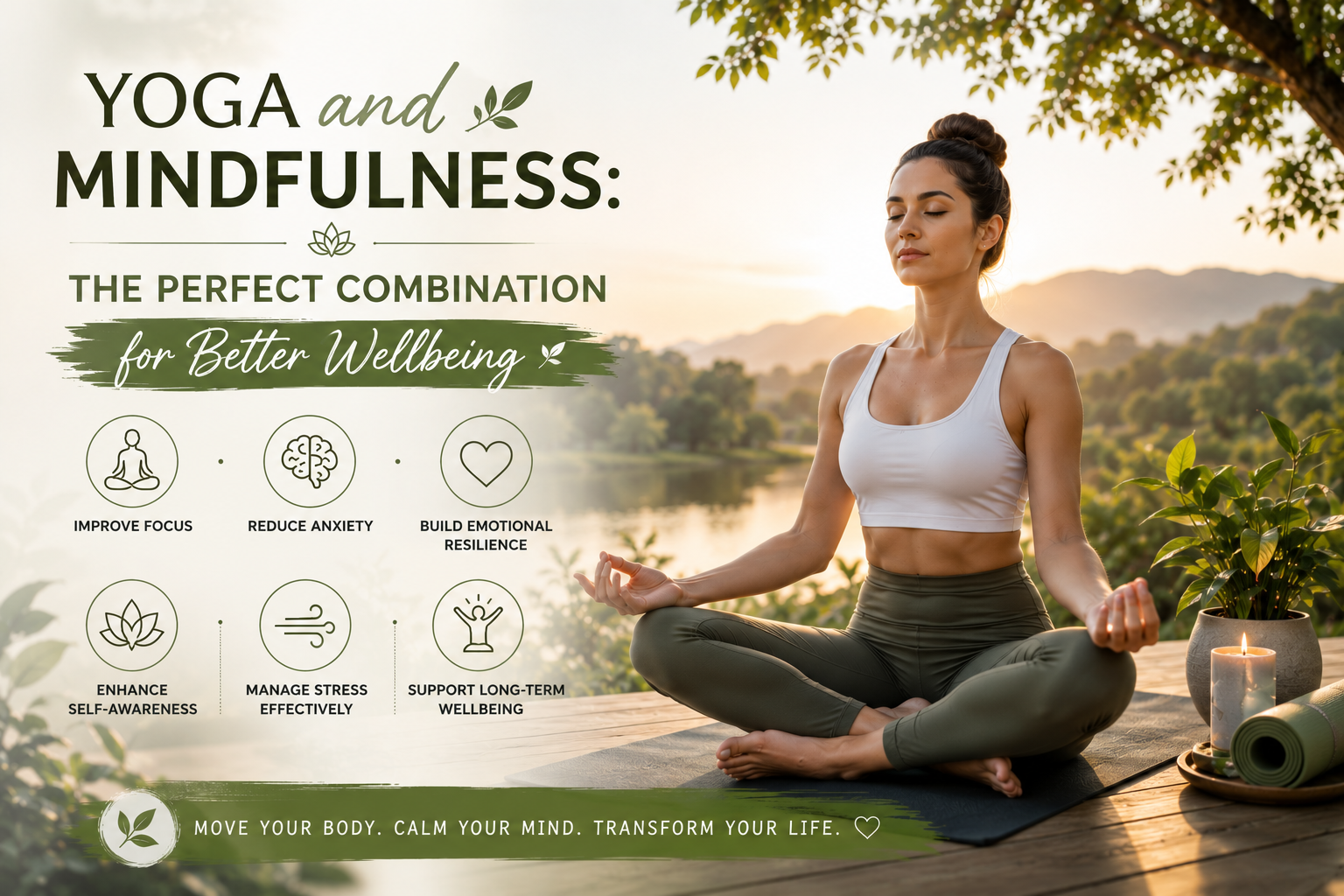
Outdoor Yoga: In today’s hyperconnected world, maintaining focus and inner peace has become increasingly difficult. From endless notifications and social media updates to work deadlines and personal responsibilities, modern life constantly competes for our attention. Many people find themselves feeling mentally exhausted, emotionally overwhelmed, and disconnected from the present moment.
As a result, practices that promote mental clarity, emotional balance, and overall well-being have gained significant popularity. Among these, yoga and mindfulness stand out as two of the most effective and sustainable approaches to improving both physical and mental health.
While yoga and mindfulness are powerful individually, their benefits become even greater when combined. Together, they create a holistic wellness practice that supports the body, calms the mind, and helps individuals navigate daily challenges with greater ease and resilience.
Whether you’re participating in outdoor yoga sessions, attending guided yoga training, or exploring yoga and meditation practices, understanding the relationship between yoga and mindfulness can help you experience deeper and more meaningful results.
What Is Mindfulness?
Mindfulness is the practice of paying attention to the present moment without judgment.
Instead of dwelling on past mistakes or worrying about future uncertainties, mindfulness encourages individuals to focus on what is happening right now.
At its core, mindfulness involves:
- Being fully present
- Observing thoughts without reacting to them
- Paying attention to physical sensations
- Developing self-awareness
- Accepting experiences without judgment
Many people spend much of their day operating on autopilot.
They eat while scrolling through their phones, work while thinking about other tasks, and engage in conversations without fully listening.
Mindfulness helps break this cycle by bringing awareness back to the present moment.
Research has shown that mindfulness can help improve:
- Mental clarity
- Emotional regulation
- Stress management
- Sleep quality
- Overall well-being
This is one reason mindfulness has become an important component of many modern wellness programs.
Why Mindfulness Is More Important Than Ever
The average person processes an enormous amount of information every day.
Between emails, meetings, social media, news updates, and personal responsibilities, the brain is constantly being stimulated.
This overload can contribute to:
- Mental fatigue
- Difficulty concentrating
- Increased stress
- Anxiety
- Emotional overwhelm
Mindfulness offers a practical solution by teaching individuals how to slow down and focus their attention intentionally.
Even a few minutes of mindful awareness each day can create noticeable improvements in mood, focus, and emotional balance.
However, many beginners struggle to practice mindfulness because their minds feel too busy.
This is where yoga becomes incredibly valuable.
How Yoga Naturally Supports Mindfulness
One of the reasons yoga has remained relevant for thousands of years is its ability to bring together physical movement, breathing, and awareness.
Yoga provides a structured way to practice mindfulness through the body.
Instead of trying to sit quietly and stop thinking, yoga encourages individuals to focus on movement, posture, and breath.
This makes mindfulness more accessible, especially for beginners.
Let’s explore how yoga supports mindfulness in everyday life.
Yoga Encourages Conscious Breathing
Breathing is one of the most important connections between yoga and mindfulness.
Many people go through their entire day without paying attention to their breathing patterns.
Stress often leads to shallow breathing, which can increase tension and anxiety.
Yoga teaches conscious breathing techniques that encourage deeper, slower breaths.
During breathing exercises classes and yoga sessions, participants learn how to:
- Control their breathing
- Increase oxygen intake
- Calm the nervous system
- Improve concentration
Focusing on the breath naturally anchors attention to the present moment.
This simple practice can quickly reduce feelings of stress and overwhelm.
Many people find that mindful breathing becomes a valuable tool they can use throughout the day, even outside of yoga sessions.
Yoga Improves Body Awareness
Modern lifestyles often disconnect people from their bodies.
Many individuals spend long hours sitting, working, or multitasking without noticing how their bodies feel.
Yoga helps restore this awareness.
During yoga practice, participants pay attention to:
- Muscle tension
- Posture
- Alignment
- Balance
- Physical sensations
This increased awareness helps individuals recognize signs of stress before they become overwhelming.
For example, someone might notice tension building in their shoulders or jaw and take steps to relax before discomfort increases.
This enhanced body awareness is one of the foundations of mindfulness.
Yoga Reduces Mental Clutter
One of the most common challenges people face today is mental overload.
Many individuals constantly think about:
- Upcoming deadlines
- Financial concerns
- Family responsibilities
- Future uncertainties
- Past experiences
This nonstop mental activity can create feelings of anxiety and exhaustion.
Yoga provides a break from this cycle.
By focusing on movement and breathing, practitioners naturally shift their attention away from repetitive thought patterns.
Many people describe yoga as one of the few times during the day when their minds feel quiet.
Regular yoga and mindfulness training can help:
- Improve mental clarity
- Reduce overthinking
- Increase focus
- Enhance emotional balance
This is one reason yoga is often recommended for stress management and overall mental wellness.
Yoga Builds Emotional Resilience
Life inevitably includes challenges, setbacks, and difficult emotions.
Mindfulness teaches people how to observe these experiences without becoming overwhelmed by them.
Yoga supports this process by helping individuals develop emotional resilience.
During a yoga session, participants may encounter:
- Physical discomfort
- Balance challenges
- Difficult poses
- Moments of frustration
Learning to remain calm and present during these experiences strengthens emotional regulation skills.
Over time, practitioners often become better equipped to handle stress and uncertainty in everyday life.
This resilience extends far beyond the yoga mat.
The Benefits of Combining Yoga and Mindfulness
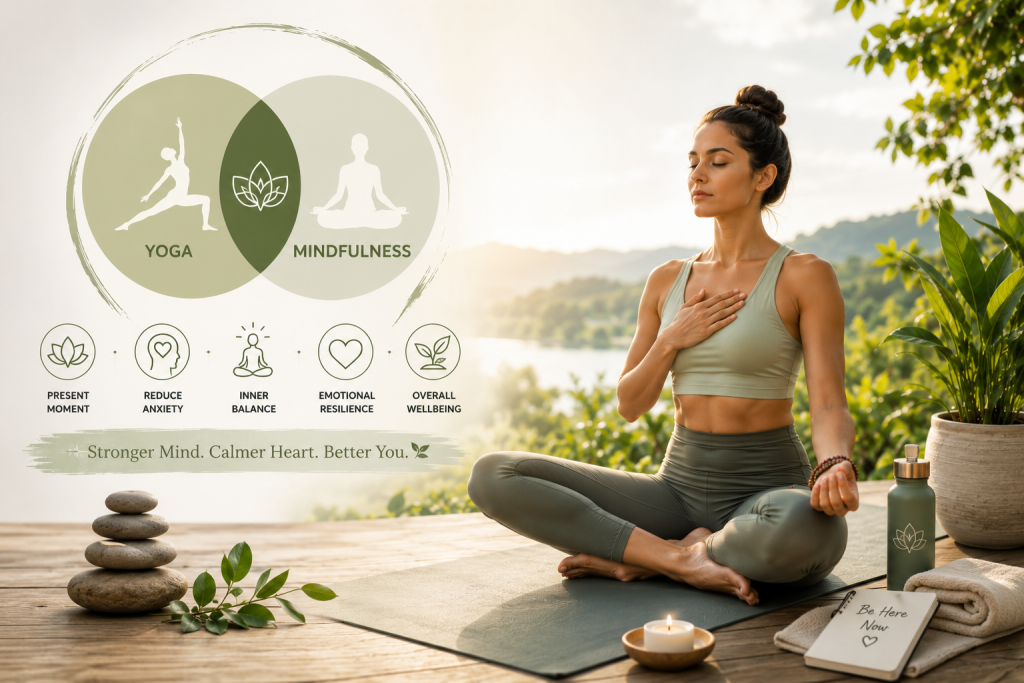
When yoga and mindfulness are practiced together, they create a powerful system for overall well-being.
Let’s explore some of the most significant benefits.
Better Focus and Concentration
Modern distractions make it difficult to maintain attention for extended periods.
Yoga trains the mind to focus on a single task, whether it’s a posture, breath, or movement.
Mindfulness strengthens this ability by encouraging present-moment awareness.
Together, they help improve:
- Concentration
- Memory
- Productivity
- Decision-making
Many professionals use yoga and mindfulness practices to enhance performance at work.
Improved Emotional Control
Emotions are a natural part of life, but many people struggle with emotional reactivity.
Yoga and mindfulness help create a pause between a trigger and a response.
This allows individuals to respond more thoughtfully rather than reacting impulsively.
Benefits include:
- Greater patience
- Reduced irritability
- Improved communication
- Better relationships
Reduced Anxiety and Stress
One of the most widely recognized benefits of yoga is its ability to support stress management yoga practices.
Combined with mindfulness, yoga can help:
- Lower cortisol levels
- Reduce nervous system activation
- Improve relaxation
- Create a greater sense of calm
Many people seeking yoga for stress relief and anxiety find that mindfulness significantly enhances the benefits of their practice.
Increased Productivity
When the mind is calmer and more focused, productivity naturally improves.
People who practice yoga and mindfulness often report:
- Better time management
- Increased efficiency
- Improved creativity
- Greater mental clarity
Rather than working harder, they learn to work with greater intention and focus.
Why Outdoor Yoga Enhances Mindfulness
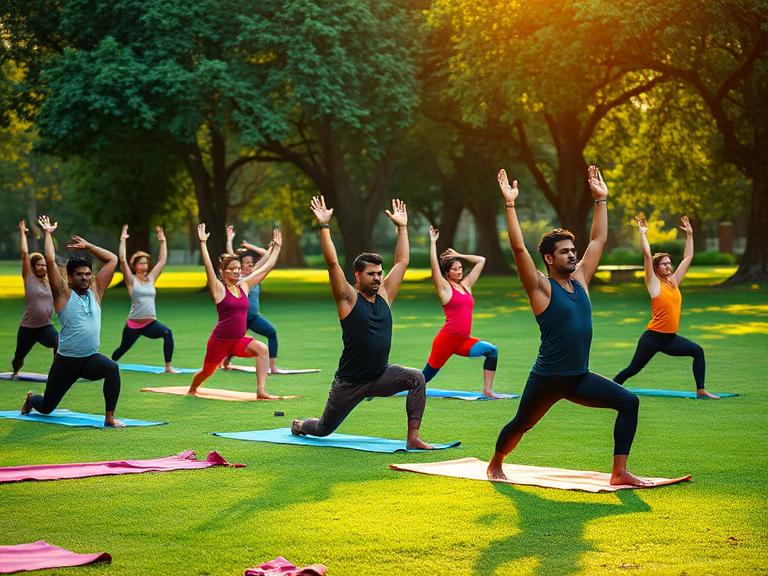
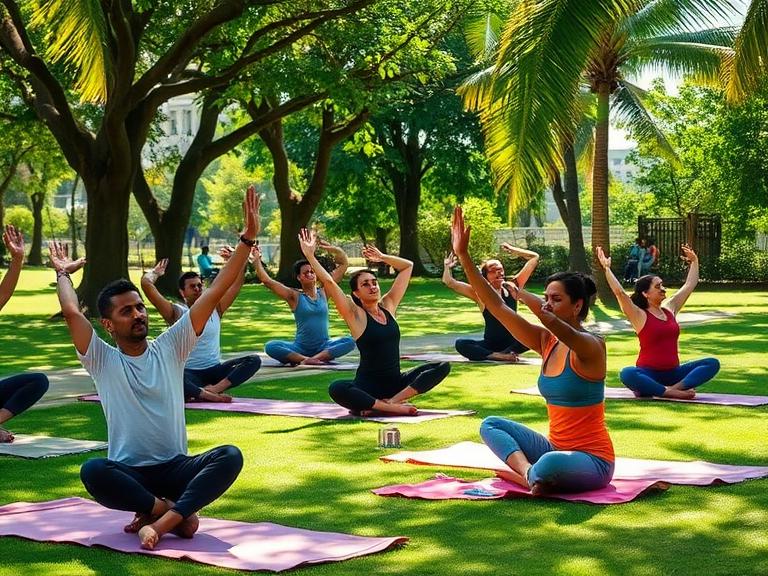
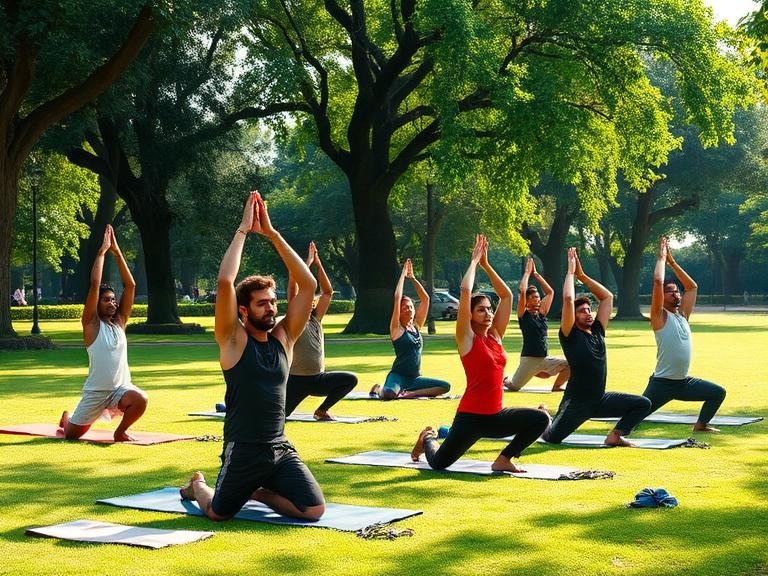
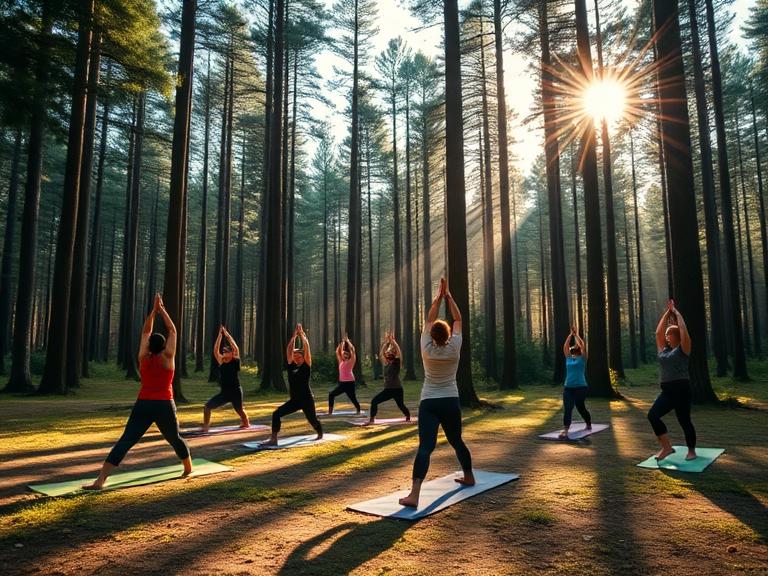
Many practitioners find that outdoor yoga sessions make mindfulness even easier.
Natural environments provide an ideal setting for present-moment awareness.
Practicing yoga outdoors allows individuals to notice:
- The sound of birds
- The feeling of the breeze
- Natural sunlight
- Surrounding greenery
These sensory experiences help anchor attention in the present moment.
This is one reason why sunrise yoga sessions, group yoga sessions, and wellness-focused yoga classes in outdoor settings continue to grow in popularity.
Nature naturally supports relaxation and mindfulness.
Making Yoga and Mindfulness Part of Daily Life
You don’t need hours of free time to experience the benefits of yoga and mindfulness.
Even simple daily practices can create meaningful results.
Consider starting with:
Five Minutes of Deep Breathing
Focus entirely on your breath.
Ten Minutes of Yoga
Practice basic stretches and movements.
Mindful Walking
Pay attention to your surroundings while walking.
Outdoor Practice
Spend time in natural environments whenever possible.
Consistency matters far more than perfection.
Small daily actions often produce the greatest long-term benefits.
Frequently Asked Questions (FAQs)
1. What is mindfulness in yoga?
Mindfulness involves paying attention to the present moment during movement and breathing.
2. How does yoga support mindfulness?
Yoga encourages awareness of the body, breath, and thoughts.
3. Can mindfulness reduce anxiety?
Yes. Mindfulness practices help calm the mind and reduce overthinking.
4. What are the benefits of combining yoga and mindfulness?
Improved focus, emotional resilience, stress management, and overall wellbeing.
5. Is meditation necessary for mindfulness?
No. Mindfulness can be practiced during everyday activities, including yoga.
6. How often should I practice yoga and mindfulness?
Daily practice provides the greatest long-term benefits.
7. Can mindfulness improve productivity?
Yes. It helps improve concentration and mental clarity.
8. Is outdoor yoga good for mindfulness?
Natural surroundings often make it easier to stay present and focused.
9. Can beginners practice mindfulness during yoga?
Absolutely. Yoga is one of the easiest ways for beginners to learn mindfulness.
10. How long does it take to experience the benefits of mindfulness?
Many people notice reduced stress and improved focus within a few weeks of consistent practice.
Final Thoughts
Modern lifestyles often pull our attention in countless directions, making it difficult to stay present, focused, and emotionally balanced.
Yoga and mindfulness offer a powerful solution.
Together, they help improve physical health, mental clarity, emotional resilience, and overall well-being.
Through conscious breathing, improved body awareness, reduced mental clutter, and greater emotional control, yoga creates the perfect foundation for mindfulness.
Whether you’re participating in outdoor yoga sessions, joining guided yoga training, attending group yoga sessions, or exploring holistic wellness programs, combining yoga with mindfulness can transform the way you experience everyday life.
The goal is not perfection.
The goal is presence.
And when presence becomes a habit, greater health, happiness, and well-being naturally follow.
More on this –> Outdoor yoga habits that can transform your day