Table of Contents
Yoga Wellness Routine in Chennai | Daily Practice, Classes & Plans
In a fast-paced coastal metropolis like Chennai, where urban humidity, long commutes along the IT corridor, and high-stress corporate environments collide with centuries of cultural heritage, building a structured Yoga Wellness Routine in Chennai is a vital health investment.
Chennai occupies a revered place in global yoga history. As the cradle of classical lineages—from the therapeutic individualized methodology of Krishnamacharya Yoga Mandiram to the classical teachings of the Bihar School of Yoga and Sivananda traditions—the city offers a unique blend of authentic yogic wisdom and modern bio-mechanical health practices.
Designing a personal yoga routine tailored to Chennai’s unique climate, coastal atmosphere, and urban lifestyle helps you cultivate physical strength, hormonal balance, emotional resilience, and deep mental focus. This guide provides a complete roadmap to building, sustaining, and mastering a daily yoga routine in Chennai.
1. The Anatomy of an Effective Coastal Yoga Routine
A comprehensive Yoga Wellness Routine in Chennai works across all levels of human physiology—balancing the muscular, nervous, endocrine, and subtle energetic systems.
                  [The Coastal Yoga Framework]
                               │
   ┌───────────────────────────┼───────────────────────────┐
   ▼                           ▼                           ▼
Annamaya Kosha             Pranamaya Kosha             Manomaya Kosha
(Physical Postures &       (Coastal Breathwork &       (Meditation & Stress
 Joint Mobility)            Thermal Control)            Decompression)
Navigating Chennai’s Thermal Micro-Climates
Chennai’s tropical climate demands seasonal and daily timing adjustments in your practice:
- Humidity and Electrolyte Balance: The city’s high relative humidity accelerates sweat rates during active practices (Vinyasa or Sun Salutations). A proper routine incorporates cooling breathwork (Sitali and Sitkari) to regulate internal temperature.
- The Golden Hour Advantage: Practicing during the Brahma Muhurta (5:30 AM to 7:00 AM) takes advantage of lower heat indices and higher ambient negative ion concentrations near the coast.
- Seasonal Adjustments: During the hot summer months (April–June), the routine shifts toward cooling, grounding postures. During the wet North-East Monsoon (October–December), the focus shifts toward invigorating, immunity-boosting flows.
2. Morning vs. Evening Routine Frameworks
To maintain energy throughout the day and ensure restful sleep at night, split your practice into distinct morning and evening protocols.
[Morning Routine: Awakening & Vitality] ──► [Midday Desk Breaks] ──► [Evening Routine: Decompression & Sleep]
  • Dynamic Surya Namaskar                   • Micro-stretches              • Restorative Forward Bends
  • Invigorating Pranayama                   • Eye Movements                • Cooling Nadi Shodhana
  • Solar Energy Activation                  • Postural Alignment           • Parasympathetic Reset
The Awakening Morning Protocol (60 Minutes)
Designed to ignite digestive fire (Agni), mobilize spinal joints, and prepare the mind for daily challenges.
- Phase 1: Sukshma Vyayama (10 Mins): Gentle neck rolls, wrist rotations, ankle rotations, and shoulder rotations to flush joint fluid after sleep.
- Phase 2: Surya Namaskar Dynamics (20 Mins): 6 to 12 rounds of Sun Salutations synchronized with deep diaphragm breathing to build cardiovascular endurance and core stability.
- Phase 3: Standing & Balancing Asanas (15 Mins): Postures like Trikonasana (Triangle Pose), Vrikshasana (Tree Pose), and Virabhadrasana (Warrior Series) build lower-body strength and spatial focus.
- Phase 4: Vitalizing Breathwork (10 Mins): Kapalabhati (Skull-Shining Breath) and Bhastrika to clear sinus passages and boost oxygen intake.
- Phase 5: Short Centering (5 Mins): Seated silence to cultivate emotional balance before starting the workday.
The Evening Decompression Protocol (30–45 Minutes)
Designed to soothe an overstimulated sympathetic nervous system after long desk hours or city commutes.
- Phase 1: Spinal Decompression (10 Mins): Marjaryasana-Bitilasana (Cat-Cow), supported seated twists, and gentle ragdoll forward folds to relieve lower back pressure.
- Phase 2: Hip & Pelvic Release (15 Mins): Ananda Balasana (Happy Baby), Baddha Konasana (Butterfly), and Eka Pada Rajakapotasana (Pigeon Pose) to release tension stored in the pelvic girdle.
- Phase 3: Restorative Integration (10 Mins): Viparita Karani (Legs-Up-The-Wall Pose) paired with Savasana to reduce leg swelling and lower heart rate.
- Phase 4: Parasympathetic Pranayama (10 Mins): Nadi Shodhana (Alternate Nostril Breathing) and Bhramari (Humming Bee Breath) to encourage deep sleep.
3. Designing a Custom Weekly Routine Matrix
Different health objectives require different structural approaches. Below is a sample 7-day schedule designed for busy working professionals in Chennai:
| Day | Focus Area | Key Practices | Duration | Primary Objective |
| Monday | Full-Body Alignment | Classical Hatha, Standing Alignment, Nadi Shodhana | 60 Mins | Sets structural alignment for the workweek. |
| Tuesday | Dynamic Flow & Cardio | Vinyasa Flow, Surya Namaskar, Core Integration | 60 Mins | Burns calories, boosts metabolic function. |
| Wednesday | Spinal & Desk Relief | Therapeutic Back Care, Shoulder Mobility, Sitali | 45 Mins | Counters desk posture and tech-neck. |
| Thursday | Strength & Balance | Ashtanga Primary Elements, Arm Balances | 60 Mins | Builds mental focus and muscular resilience. |
| Friday | Deep Hip & Flexibility | Yin Yoga, Supported Holds, Forward Folds | 45 Mins | Releases deep connective tissue tension. |
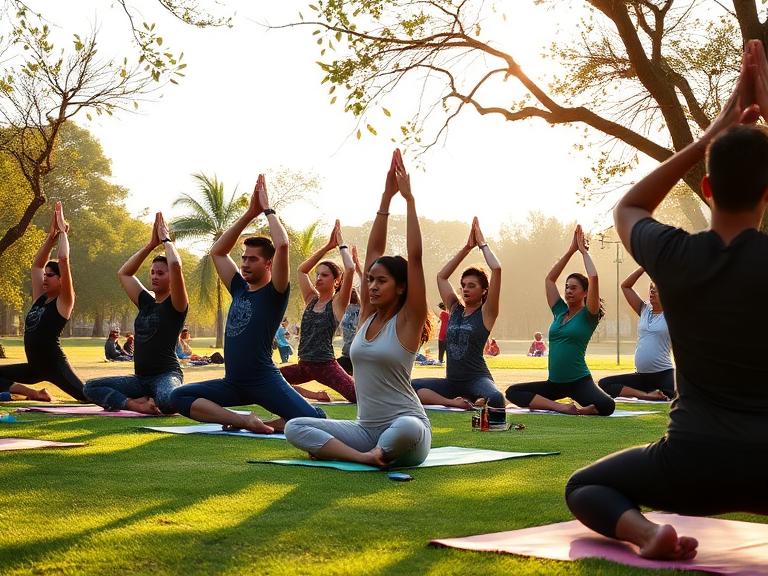
| Saturday | Outdoor Sunrise Session | Beach/Park Flow, Extended Pranayama, Meditation | 75 Mins | Reconnects with nature and community. |
| Sunday | Restorative Reset | Yoga Nidra, Gentle Stretches, Sound Healing | 45 Mins | Full nervous system recovery and mental reset. |
4. Top Chennai Locations to Practice Your Outdoor Routine
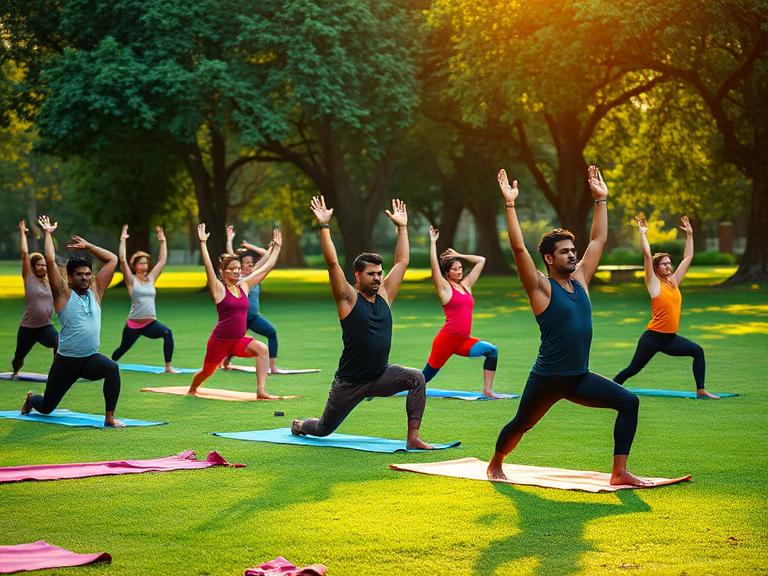
Varying your practice environment prevents routine fatigue and deepens your connection to the local environment.
                           [Chennai Outdoor Hubs]
                                     │
         ┌───────────────────────────┴───────────────────────────┐
         ▼                                                       ▼
Coastal Spaces (Ocean Breeze)                          Green Sanctuaries (Shaded Parks)
  • Besant Nagar Beach (Bessy)                           • Nageswara Rao Park (Mylapore)
  • Thiruvanmiyur Shoreline                              • Semmozhi Poonga (Teynampet)
  • Palavakkam / ECR Beaches                             • Anna Nagar Tower Park
Coastal Hubs
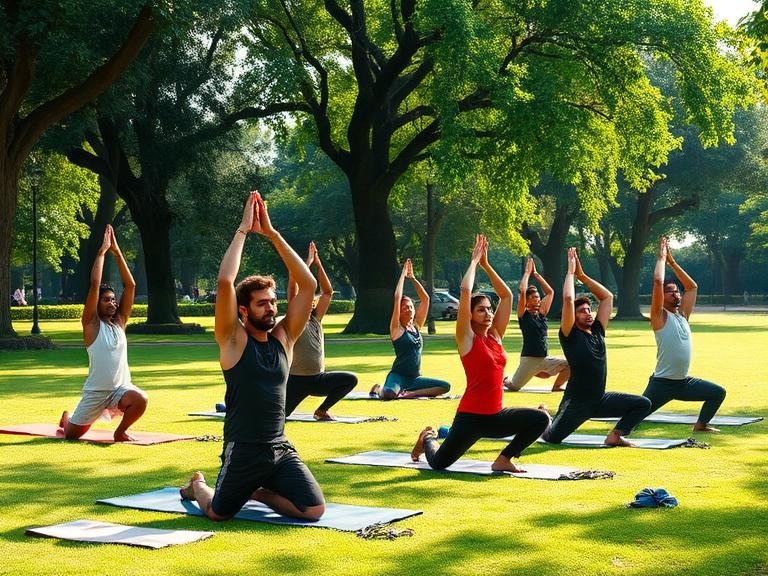
- Besant Nagar Beach (Bessy Beach): High-energy, vibrant community environment. Practicing along the shoreline at sunrise exposes you to ocean air rich in negative ions, which supports respiratory health and mood balance.
- Thiruvanmiyur & ECR Shorelines: Quieter, more secluded coastal spaces ideal for contemplative practice, long holding poses, and deep Pranayama sessions away from crowds.
Botanical Sanctuaries
- Nageswara Rao Park (Mylapore): A shaded green sanctuary in heart of historic Mylapore. The mature tree canopy creates a cooler micro-climate, while nearby morning temple bells add a tranquil backdrop to meditation.
- Semmozhi Poonga (Teynampet): A lush 20-acre botanical garden offering flat, lawn-covered spaces ideal for group practices and therapeutic stretches.
5. Step-by-Step Implementation Framework
Transitioning from sporadic classes to a consistent daily routine requires a clear, deliberate plan. Follow these five steps to build a lasting habit:
1.Step 1: Conduct a Personal Health Audit:Assessment Phase.
Evaluate your physical readiness, existing injuries (such as lower back pain or cervical spondylosis), and daily schedule constraints. Choose an initial focus—such as stress relief, spinal therapy, or general fitness.
2.Step 2: Establish a Dedicated Practice Zone:Environment Setup.
Designate a clean, well-ventilated space at home free from clutter and distractions. Keep your non-slip mat, cotton blanket, yoga blocks, and strap readily accessible.
3.Step 3: Begin with a Low-Friction Daily Anchor:Habit Stacking.
Start with just 15 to 20 minutes of practice at the same time every day (preferably right after waking up). Building consistency with a shorter routine is more effective than doing sporadic, intense 90-minute sessions.
4.Step 4: Integrate Professional Guidance:Skill Refinement.
Attend weekly group classes or hire an instructor for periodic 1-on-1 sessions to review your pose alignment, refine breathwork techniques, and prevent compensation patterns.
5.Step 5: Track Energy & Adapt Seasonally:Optimization.
Keep a journal of your energy levels, sleep quality, and physical comfort. Adjust posture variations and breathwork techniques based on changes in weather, work stress, or personal fitness goals.
6. Budgeting & Investment Overview in Chennai
Whether you practice at home, join studio batches, or work with a private trainer, Chennai offers options across various price points:
| Practice Format | Typical Target Audience | Estimated Monthly Investment | Key Benefits |
| Self-Guided Home Routine | Self-motivated individuals, experienced yogis. | Free – ₹500 (Mat Maintenance) | Maximum timing flexibility, zero commute time. |
| Outdoor Beach / Park Groups | Nature lovers, social practitioners. | ₹1,500 – ₹3,000 / month | Fresh coastal air, community support, accessible pricing. |
| Studio Group Classes | Practitioners seeking structured guidance & props. | ₹2,000 – ₹4,500 / month | Professional environment, climate control, expert corrections. |
| Therapeutic Personal Trainer | Individuals with chronic health conditions or severe back pain. | ₹500 – ₹1,500 / hour session | Customized rehabilitation, 1-on-1 monitoring, flexible scheduling. |
| Corporate Wellness Packages | Teams, IT firms, corporate offices. | Customized Enterprise Quote | Reduces workplace stress, improves ergonomics, boosts team morale. |
7. Frequently Asked Questions (15 Detailed FAQs)
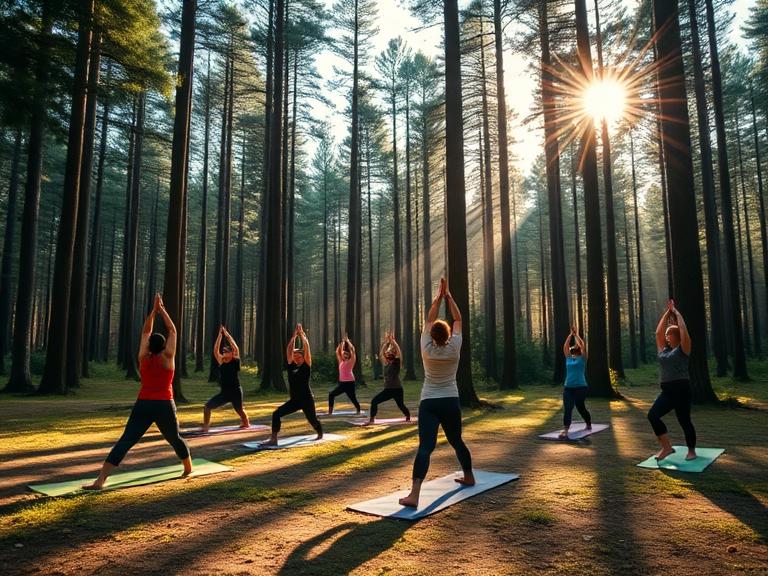
Q1: What makes a Yoga Wellness Routine in Chennai different from standard fitness workouts?
A yoga wellness routine integrates physical postures (Asanas), conscious breath regulation (Pranayama), and mental focus (Meditation). While conventional workouts focus primarily on calorie expenditure or muscle hypertrophy, a complete yoga routine optimizes endocrine function, digestion, joint longevity, and nervous system balance.
Q2: How do I adjust my yoga routine during Chennai’s hot summer months?
During summer (April–June), emphasize gentle, cooling practices. Shift your schedule to early morning (5:30 AM – 7:00 AM), avoid high-intensity dynamic flows during peak heat hours, and end every session with cooling breathwork like Sitali or Sitkari to regulate body temperature.
Q3: Can a beginner start a daily yoga routine without prior experience?
Yes. Beginners should start with simple movements (Sukshma Vyayama), basic standing postures, gentle spinal twists, and simple breath awareness. Starting with 15–20 minutes daily builds flexibility and body awareness without overstraining tissues.
Q4: Which outdoor spots in Chennai are best for morning yoga routines?
Popular outdoor spots include Besant Nagar Beach (Bessy Beach), Thiruvanmiyur Beach, Nageswara Rao Park in Mylapore, and Semmozhi Poonga in Teynampet. These locations offer fresh air, shade, and serene surroundings ideal for morning practice.
Q5: Is it better to practice yoga on an empty stomach?
Yes. Always practice on an empty stomach. Wait at least 3 to 4 hours after a heavy meal, or 1 to 2 hours after a light snack. Practicing on an empty stomach prevents digestive discomfort during inversions, twists, and deep abdominal breathwork.
Q6: How can I adapt my yoga routine to relieve desk-bound office fatigue?
Incorporate quick 5-minute desk breaks throughout the day: seated cat-cow stretches, chest-opening interlocks behind the back, wrist stretches, neck releases, and deep abdominal breathing. In the evening, practice Viparita Karani (Legs-Up-The-Wall Pose) to release spinal tension.
Q7: What is the ideal duration for a daily yoga routine?
For long-term consistency, a 30-to-60-minute daily practice is ideal. If you are short on time, even a focused 20-minute morning session is far more effective than doing a single 90-minute class once a week.
Q8: Can a structured yoga routine help manage chronic lower back pain?
Yes. Therapeutic yoga gently stretches tight hamstrings, strengthens deep core stabilizers, and decompresses spinal vertebrae. However, if you have conditions like a herniated disc, work with a certified yoga therapist to learn safe pose modifications.
Q9: What props should I include in my home yoga routine setup?
Essential props include a high-grip non-slip mat (4mm–6mm thickness), two high-density foam or wooden yoga blocks, a woven cotton yoga strap, and a firm bolster or folded blanket for restorative postures and meditation seating.
Q10: How does Pranayama complement physical postures in a daily routine?
Physical postures prepare the body by opening the chest cavity and strengthening the spine, making seated posture comfortable. Pranayama then regulates the flow of vital energy (Prana), calms the autonomic nervous system, lowers blood pressure, and stills the mind for meditation.
Q11: Are online virtual sessions effective for maintaining a daily routine?
Yes. Live interactive virtual sessions allow instructors to review your posture alignment and provide real-time guidance from the comfort of your home, saving you valuable commute time across the city.
Q12: How long does it take to see tangible health improvements from a yoga routine?
With a consistent 4-to-5-day weekly practice, most people notice improved sleep quality, reduced muscular tightness, and increased mental clarity within 10 to 14 days. Significant posture improvements and stress resilience typically develop within 8 to 12 weeks.
Q13: Can I practice dynamic yoga flows during my period?
During menstruation, it is best to avoid intense abdominal contraction, heavy inversions (like Headstands or Shoulderstands), and extreme backbends. Switch to a gentle, restorative routine focused on hip openers, forward folds, and soothing breathwork.
Q14: What qualifications should I look for in a local Chennai yoga instructor?
Look for certified instructors holding credentials from recognized organizations, such as a Yoga Alliance RYT-200 / RYT-500 certification, an AYUSH Ministry Yoga Certification, or a diploma from reputed institutions like Krishnamacharya Yoga Mandiram or Sivananda Yoga Vedanta Centre.
Q15: What is the average cost of joining studio yoga classes in Chennai?
Studio group classes in Chennai generally range between ₹2,000 and ₹4,500 per month for 3 to 5 classes per week. Private 1-on-1 personalized sessions typically cost between ₹500 and ₹1,500 per class.