Table of Contents
Lift Brake Repair in Hyderabad | Professional Elevator Brake Repair & Maintenance Services
Elevators have transformed the way people move through modern buildings. Whether in residential apartments, IT parks, hospitals, shopping malls, hotels, educational institutions, or industrial facilities, lifts provide convenient and efficient vertical transportation. While passengers often notice the cabin, doors, and control panels, one of the most critical safety components remains hidden—the elevator braking system.
The brake system is responsible for holding the lift securely whenever it stops, preventing unintended movement, ensuring accurate floor leveling, and supporting safe emergency operation. Like every mechanical component, lift brakes experience gradual wear due to constant use. Ignoring early warning signs can increase repair costs, reduce ride comfort, and create potential safety concerns.
Professional Lift brake repair in Hyderabad helps building owners maintain elevator safety, comply with maintenance standards, and reduce unexpected breakdowns. With Hyderabad’s rapid urban development and growing number of high-rise buildings, timely brake servicing has become an essential part of elevator maintenance.
This guide explains everything you need to know about elevator brake systems, common brake failures, repair procedures, inspection methods, preventive maintenance, and how expert technicians keep elevators operating safely throughout Hyderabad.
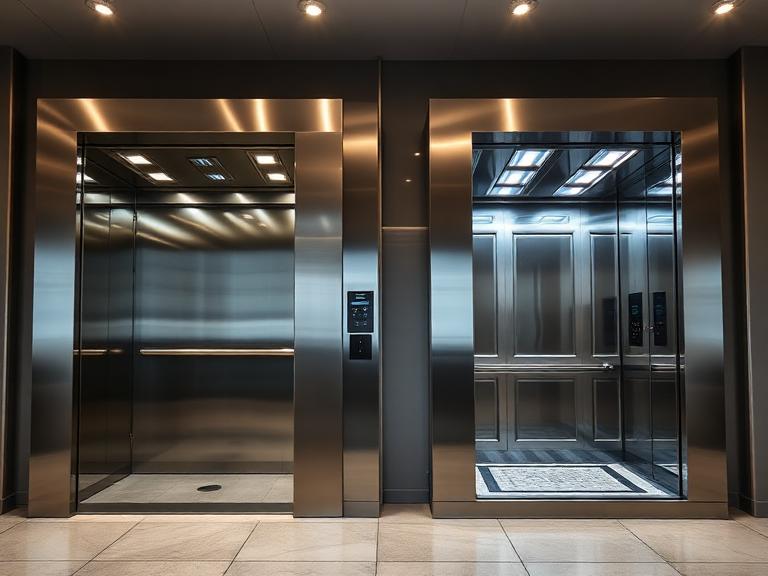
Understanding the Role of Elevator Brakes
Unlike vehicle brakes that are applied continuously while driving, elevator brakes primarily function as a holding and emergency safety mechanism. They secure the elevator when it reaches a floor and engage automatically whenever power is removed from the drive system.
Modern braking systems are engineered to:
- Hold the elevator stationary at landings
- Prevent unintended car movement
- Support emergency stopping functions
- Improve floor leveling accuracy
- Protect passengers during power failures
- Enhance operational safety
Professional Lift brake repair in Hyderabad ensures these critical systems continue to perform as intended.
Main Components of an Elevator Brake System
Every braking system consists of multiple precision-engineered parts working together.
Electromagnetic Brake Coil
The electromagnetic coil releases the brake whenever the elevator begins moving.
A damaged coil may cause:
- Lift failing to start
- Unexpected stopping
- Controller fault messages
- Overheating
Routine electrical testing helps identify coil issues before complete failure occurs.
Brake Shoes
Brake shoes apply friction to hold the elevator securely.
Over time they experience:
- Surface wear
- Uneven contact
- Reduced braking force
Brake shoe replacement restores smooth and reliable operation.
Brake Linings
Brake linings create the friction required to stop and hold the elevator.
As linings wear:
- Stopping becomes less accurate.
- Ride quality decreases.
- Additional stress is placed on the motor.
Regular inspection helps determine when replacement is necessary.
Brake Springs
Springs provide the force that keeps brakes engaged when power is removed.
Damaged or weakened springs may lead to:
- Delayed braking
- Reduced holding force
- Inconsistent stopping
Proper adjustment is essential for long-term performance.
Brake Lever Assembly
The brake lever transfers mechanical force throughout the braking system.
Wear or misalignment can affect braking efficiency and should be corrected during scheduled maintenance.
Types of Lift Brake Systems
Different elevator models use different braking technologies.
Electromagnetic Brakes
These are commonly found in modern passenger elevators.
Advantages include:
- Reliable operation
- Fast response
- Smooth engagement
- Minimal maintenance when serviced regularly
Drum Brake Systems
Traditional drum brakes remain in service in many older buildings.
These systems require:
- Periodic adjustment
- Lining replacement
- Spring inspection
- Lubrication of approved components
Disc Brake Systems
Disc brakes are becoming increasingly common in high-speed elevators.
Benefits include:
- Better heat dissipation
- Improved stopping accuracy
- Longer service life
- Reduced maintenance requirements
Regenerative Braking Systems
Advanced elevators may incorporate regenerative braking technology that improves energy efficiency while supporting controlled deceleration.
These systems require specialized diagnostics during servicing.
Why Lift Brakes Wear Out
Even the highest-quality brake systems gradually deteriorate due to continuous operation.
Common causes include:
Heavy Daily Usage
Residential towers, hospitals, shopping malls, and office buildings may operate elevators hundreds of times each day.
Continuous use naturally increases brake wear.
Dust and Environmental Contamination
Construction dust, moisture, and airborne particles can affect brake performance if maintenance is neglected.
Improper Brake Adjustment
Incorrect brake clearance increases friction and accelerates component wear.
Poor Maintenance Practices
Skipping routine inspections often allows small issues to become expensive repairs.
Aging Components
Brake coils, springs, linings, and mechanical assemblies gradually lose efficiency over time.
Professional Lift brake repair in Hyderabad addresses these issues before they compromise safety.
Warning Signs That Indicate Brake Problems
Recognizing early symptoms helps prevent complete elevator shutdowns.
Jerky Stopping
If the lift stops abruptly or inconsistently, brake adjustment may be required.
Unusual Noises
Grinding, squealing, or scraping sounds often indicate worn brake linings or damaged brake shoes.
Burning Smell
Overheated brake components may produce a noticeable burning odor.
Immediate inspection is recommended.
Inaccurate Floor Leveling
Passengers should not experience a noticeable step between the elevator floor and the landing.
Poor leveling often points to braking or controller issues.
Elevator Rollback
Any slight movement after stopping should be investigated immediately.
This symptom may indicate reduced brake holding force.
Frequent Error Messages
Modern elevator controllers often detect brake-related faults before complete failure occurs.
Ignoring diagnostic warnings increases repair costs.
Professional Brake Inspection Process
Experienced technicians follow a systematic inspection procedure.
Visual Assessment
The inspection begins with examining:
- Brake shoes
- Brake linings
- Springs
- Brake arms
- Mounting bolts
- Electrical wiring
Visible wear is documented before further testing.
Mechanical Testing
Technicians evaluate:
- Brake clearance
- Spring tension
- Lever movement
- Component alignment
- Wear patterns
Mechanical testing identifies adjustment requirements.
Electrical Diagnostics
Electrical testing includes:
- Coil resistance measurement
- Voltage verification
- Wiring continuity
- Controller communication
- Safety circuit inspection
Advanced diagnostic equipment ensures accurate fault detection.
Functional Testing
The elevator is operated through multiple cycles to verify:
- Smooth stopping
- Brake response
- Floor leveling
- Ride comfort
- Emergency braking performance
Only after successful testing are repairs finalized.
Step-by-Step Lift Brake Repair Process
Professional repairs follow a structured workflow.
Fault Identification
Technicians first identify the exact cause of the problem rather than replacing parts unnecessarily.
Brake Component Removal
Damaged components are carefully removed while protecting surrounding equipment.
Component Replacement
Depending on inspection findings, repairs may include:
- Brake lining replacement
- Brake shoe replacement
- Spring replacement
- Electromagnetic coil replacement
- Hardware replacement
Brake Adjustment
Correct adjustment ensures:
- Proper holding force
- Smooth stopping
- Reduced wear
- Improved passenger comfort
Performance Testing
Following repairs, technicians verify:
- Emergency operation
- Controller communication
- Door synchronization
- Brake response
- Ride quality
Benefits of Professional Lift Brake Repair
Choosing experienced technicians offers several long-term advantages.
Enhanced Passenger Safety
Well-maintained brakes reduce the risk of uncontrolled movement and improve overall elevator safety.
Reduced Downtime
Accurate diagnosis shortens repair time and minimizes disruption to building operations.
Improved Ride Comfort
Properly adjusted brakes eliminate jerky starts and stops.
Longer Equipment Life
Healthy brake systems reduce stress on motors, controllers, ropes, and drive systems.
Lower Maintenance Costs
Preventive repairs help avoid expensive emergency breakdowns and extend the service life of major elevator components.
Preventive Maintenance: The Best Investment
Routine maintenance remains the most cost-effective way to reduce brake failures.
A preventive maintenance schedule typically includes:
- Monthly brake inspections
- Brake clearance adjustment
- Electromagnetic coil testing
- Brake lining measurement
- Controller diagnostics
- Emergency brake testing
- Electrical inspections
- Safety verification
- Lubrication of approved components
Regular servicing significantly reduces emergency repairs and improves elevator reliability.
Lift Brake Repair for Different Types of Buildings
Brake systems experience different levels of stress depending on the type of building and elevator usage. A customized maintenance approach helps maximize safety and performance.
Residential Apartment Elevators
Residential lifts operate throughout the day, transporting residents, visitors, and household goods. While usage is generally moderate, neglected brake maintenance can lead to uncomfortable rides and unexpected stoppages.
Professional Lift brake repair in Hyderabad for residential buildings typically includes:
- Brake lining inspection
- Brake shoe replacement
- Spring adjustment
- Electromagnetic brake testing
- Floor leveling calibration
Routine servicing helps apartment associations reduce emergency callouts and improve passenger confidence.
Commercial Office Buildings
Corporate offices depend on elevators to move employees and visitors efficiently. High traffic during business hours places additional demand on the braking system.
Commercial brake maintenance focuses on:
- High-cycle brake inspections
- Performance testing
- Controller synchronization
- Emergency brake verification
- Preventive component replacement
A proactive maintenance strategy minimizes downtime and business disruption.
Hospital Elevators
Hospital lifts transport patients, doctors, medical staff, stretchers, wheelchairs, and sensitive equipment. Smooth and accurate stopping is essential in healthcare environments.
Brake servicing for hospitals includes:
- Precision brake adjustment
- Emergency operation testing
- Leveling accuracy verification
- Brake coil diagnostics
- Safety circuit inspection
Reliable brake performance contributes to uninterrupted patient care.
Hotel Elevators
Guest comfort is closely linked to elevator performance. Sudden stops or unusual noises can negatively affect the guest experience.
Hotel lift brake maintenance prioritizes:
- Quiet operation
- Smooth stopping
- Reduced vibration
- Fast response to service requests
Preventive maintenance allows hotels to maintain reliable elevator service throughout the year.
Shopping Malls and Retail Centres
Retail elevators often operate continuously during business hours.
Brake systems are inspected for:
- Wear caused by frequent stops
- High passenger loads
- Emergency stopping performance
- Door synchronization
Routine servicing helps prevent breakdowns during peak shopping periods.
Industrial and Freight Lifts
Goods lifts and industrial elevators carry heavy loads that place greater stress on braking systems.
Professional brake repair includes:
- Heavy-duty brake inspections
- Load testing
- Spring replacement
- Brake shoe replacement
- Mechanical alignment
Industrial facilities benefit from scheduled inspections to maintain safe material handling operations.
Brake Repair or Brake Replacement?
One of the most common questions from building owners is whether the existing brake system can be repaired or if replacement is the better option.
When Brake Repair Is Suitable
Brake repair is often sufficient when:
- Brake adjustments are incorrect.
- Springs require recalibration.
- Minor electrical faults are present.
- Brake linings show moderate wear.
- Components remain structurally sound.
Repair is generally more economical and minimizes downtime.
When Brake Replacement Is Recommended
Replacement may be necessary when:
- Brake assemblies are severely worn.
- Brake coils have failed completely.
- Structural damage is present.
- Repeated repairs no longer provide reliable performance.
- Replacement improves long-term safety and reliability.
Experienced technicians evaluate the condition of every component before recommending replacement.
Elevator Brake Safety Standards
Brake systems are one of the most critical safety mechanisms in any elevator. Regular inspections help ensure the system continues to operate within manufacturer recommendations and applicable safety requirements.
Professional inspections typically verify:
- Brake holding force
- Electromagnetic coil performance
- Mechanical alignment
- Electrical continuity
- Emergency braking capability
- Floor leveling accuracy
- Component wear limits
Maintaining these standards reduces the likelihood of unexpected failures and improves passenger safety.
Why Preventive Brake Maintenance Matters
Emergency brake failures are often preventable.
Routine maintenance allows technicians to identify worn components before they become major problems.
Preventive maintenance programs generally include:
- Scheduled inspections
- Brake clearance adjustment
- Brake lining measurements
- Coil resistance testing
- Controller diagnostics
- Electrical safety checks
- Operational testing
- Maintenance documentation
Buildings enrolled in Annual Maintenance Contracts (AMC) typically experience fewer emergency repairs and lower long-term maintenance costs.
Why Choose Exfol Friends Pvt Ltd?
Exfol Friends Pvt Ltd provides comprehensive elevator solutions across Hyderabad, including brake repair, lift maintenance, modernization, installation, emergency support, and Annual Maintenance Contracts.
Skilled Elevator Technicians
The technical team is experienced in diagnosing and repairing brake-related issues across a wide range of passenger and freight elevators.
Emergency Support
Fast response teams help restore elevator operation quickly while prioritizing passenger safety.
Comprehensive Elevator Services
Available services include:
- Lift brake repair
- Elevator maintenance
- Lift modernization
- Brake adjustment
- Emergency breakdown assistance
- New lift installation
- AMC services
Quality Components
Only reliable replacement parts are used to improve long-term performance and reduce repeat failures.
Customer-Focused Service
Every repair is supported by clear communication, detailed inspections, and practical maintenance recommendations.
Service Areas Across Hyderabad
Exfol Friends Pvt Ltd offers lift brake repair services throughout Hyderabad, including:
- Hitech City
- Gachibowli
- Madhapur
- Kukatpally
- Miyapur
- Kondapur
- LB Nagar
- Uppal
- Dilsukhnagar
- Banjara Hills
- Jubilee Hills
- Financial District
- Ameerpet
- Begumpet
- Secunderabad
- Bachupally
- Nizampet
- Kompally
- Jeedimetla
- Shamshabad
This wide service network enables faster response for both scheduled maintenance and emergency repair requirements.
Future of Elevator Brake Technology
The elevator industry continues to adopt advanced technologies that improve safety and maintenance efficiency.
Predictive Maintenance
Artificial intelligence can analyze operating patterns to identify brake wear before failure occurs.
IoT-Based Monitoring
Connected sensors provide real-time information about brake performance, allowing maintenance teams to respond proactively.
Remote Diagnostics
Many controller and brake-related issues can now be diagnosed remotely, reducing repair times.
Energy-Efficient Brake Systems
Modern brake assemblies reduce power consumption while maintaining high safety standards.
Smart Maintenance Platforms
Digital maintenance records allow technicians to track service history, replacement intervals, and equipment performance more effectively.
These innovations are making Lift brake repair in Hyderabad increasingly proactive, efficient, and reliable.
Tips to Extend the Life of Elevator Brakes
Building owners and facility managers can improve brake performance by following these best practices:
- Schedule preventive maintenance at recommended intervals.
- Investigate unusual noises immediately.
- Avoid overloading elevators.
- Replace worn brake linings promptly.
- Keep machine rooms clean and dry.
- Maintain accurate service records.
- Use qualified elevator technicians for all repairs.
- Invest in an Annual Maintenance Contract for ongoing inspections.
These simple measures help reduce repair costs while enhancing passenger safety.
Conclusion
The brake system is one of the most important safety components of any elevator. Its condition directly affects stopping accuracy, passenger comfort, emergency operation, and overall reliability.
Investing in professional Lift brake repair in Hyderabad helps prevent unexpected breakdowns, extends equipment life, and supports the safe operation of residential apartments, commercial buildings, hospitals, hotels, shopping malls, educational institutions, and industrial facilities.
By combining skilled technicians, quality replacement parts, preventive maintenance, and rapid emergency support, Exfol Friends Pvt Ltd delivers dependable elevator brake solutions that keep lifts operating safely and efficiently across Hyderabad.