Table of Contents
EV Charger Installation in Hyderabad | Reliable EV Charging Solutions
EV charger installation in Hyderabad enables homeowners, businesses, apartment communities, and fleet operators to charge electric vehicles conveniently, safely, and efficiently. Professional installation ensures compliance with electrical standards, optimal charger performance, and future-ready charging infrastructure that supports the growing adoption of electric mobility across Hyderabad.
Hyderabad is Rapidly Embracing Electric Mobility
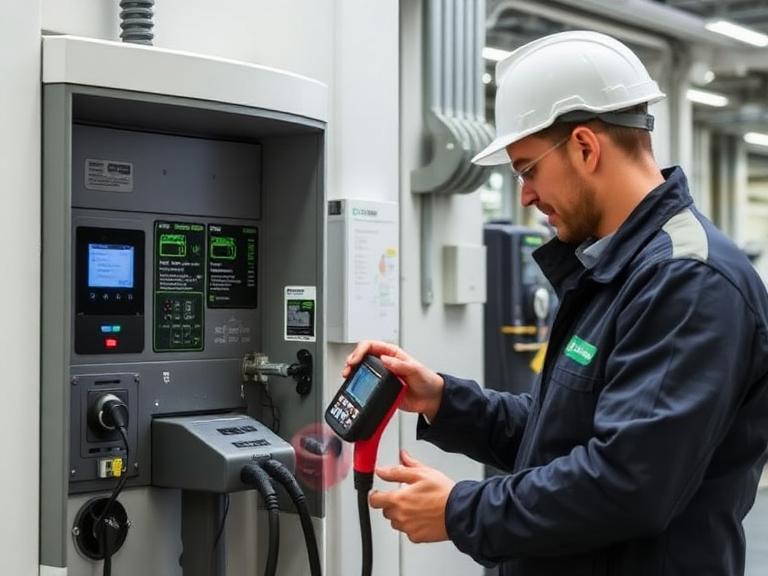
Hyderabad has emerged as one of India’s fastest-growing technology and business hubs, and the city’s transportation landscape is changing rapidly. Increasing awareness of environmental sustainability, rising fuel prices, government incentives, and the growing availability of electric vehicles have encouraged individuals and organizations to adopt EVs.
As EV ownership continues to increase, reliable charging infrastructure becomes essential. Whether you own an electric car, operate a commercial fleet, manage a residential apartment, or oversee a corporate campus, installing a dedicated EV charging system offers convenience, efficiency, and long-term value.
Professional EV charger installation in Hyderabad helps ensure that charging systems are designed according to the property’s electrical capacity, vehicle requirements, and future expansion plans.
What is EV Charger Installation?
EV charger installation is the process of designing, supplying, installing, testing, and commissioning an electric vehicle charging system at a residential, commercial, industrial, or public location.
The installation process involves much more than simply mounting a charging unit. It includes:
- Site inspection
- Electrical load assessment
- Charger selection
- Cable routing
- Safety protection systems
- Earthing
- Network connectivity
- Testing and commissioning
- User training
- Ongoing maintenance support
Proper installation ensures that charging equipment operates safely, efficiently, and reliably for years.
Why EV Charger Installation is Becoming Essential in Hyderabad
Several factors have accelerated the demand for EV charging infrastructure across Hyderabad.
Growing Electric Vehicle Adoption
More residents are purchasing electric cars, scooters, and commercial EVs due to lower running costs and improved vehicle availability. As the number of EVs increases, dependable charging infrastructure becomes a necessity rather than a convenience.
Expansion of Commercial EV Fleets
Logistics companies, delivery services, taxi operators, and corporate transportation providers are transitioning to electric fleets. Fleet operators require dedicated charging facilities that support multiple vehicles simultaneously while minimizing downtime.
Sustainable Business Initiatives
Organizations are increasingly investing in sustainable infrastructure to reduce carbon emissions and align with environmental goals. Installing EV charging stations demonstrates a commitment to clean mobility while adding value for employees and customers.
Residential Community Demand
Apartment complexes and gated communities are witnessing increased demand from residents who own electric vehicles. Installing shared charging facilities improves convenience while enhancing property appeal.
Government Support
Central and state governments continue to encourage EV adoption through supportive policies, infrastructure development initiatives, and investments that expand charging accessibility across urban areas.
Benefits of Professional EV Charger Installation
Installing an EV charging system provides numerous advantages for different types of users.
Faster Charging
Dedicated charging equipment significantly reduces charging time compared to standard electrical outlets.
Benefits include:
- Shorter charging sessions
- Increased daily vehicle availability
- Better convenience
- Improved energy efficiency
Enhanced Safety
Professional installation incorporates multiple safety measures, including:
- Circuit protection
- Residual current protection
- Proper earthing
- Surge protection
- Weather-resistant enclosures
- Electrical compliance
These features reduce electrical risks while ensuring safe daily operation.
Greater Convenience
Charging your EV where you live or work eliminates the need to depend entirely on public charging stations.
Users enjoy:
- Overnight charging
- Predictable charging schedules
- Reduced travel for charging
- Better time management
Lower Operating Costs
Electric vehicle charging typically costs considerably less than conventional fuel expenses. Organizations operating large fleets can significantly reduce transportation costs by investing in dedicated charging infrastructure.
Increased Property Value
Commercial buildings, apartment communities, hotels, shopping centers, and office campuses equipped with EV charging facilities often become more attractive to tenants, customers, and visitors.
As electric mobility continues to grow, charging infrastructure is increasingly viewed as a valuable long-term investment.
Types of EV Charger Installation
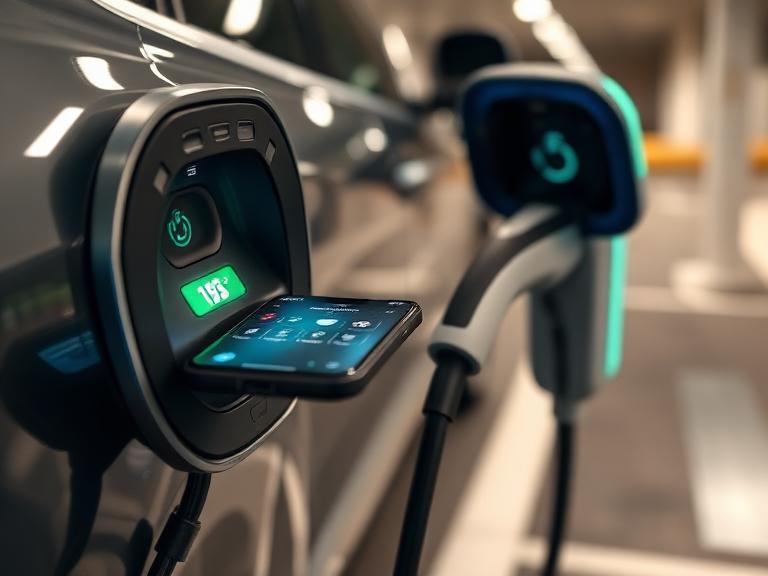
Different users require different charging solutions depending on vehicle usage, available electrical infrastructure, and charging speed requirements.
Residential EV Charger Installation
Home charging systems are ideal for:
- Individual homeowners
- Villas
- Independent houses
- Residential parking spaces
Residential charging offers convenient overnight charging while reducing dependence on public charging stations.
Suitable for:
- Daily commuters
- Families
- Personal EV owners
- Home garages
Apartment Charging Solutions
Multi-family residential buildings often require shared charging infrastructure.
Installation may include:
- Multiple charging points
- Access control
- User authentication
- Energy monitoring
- Smart billing
- Load balancing
Apartment charging solutions help housing societies accommodate increasing EV ownership among residents.
Commercial EV Charger Installation
Commercial charging infrastructure serves:
- Office buildings
- Shopping malls
- Hotels
- Hospitals
- Educational institutions
- Retail centers
Commercial charging stations improve customer experience while supporting employee and visitor charging requirements.
Fleet Charging Infrastructure
Fleet operators require charging systems capable of supporting multiple vehicles throughout the day.
Fleet charging solutions typically include:
- Multiple chargers
- Energy management
- Charging schedules
- Fleet monitoring
- Remote diagnostics
- Usage analytics
These systems help maximize fleet availability while reducing operational costs.
Public Charging Stations
Public charging stations are installed at:
- Highways
- Fuel stations
- Commercial hubs
- Transit centers
- Parking facilities
- Urban charging corridors
Public charging infrastructure supports long-distance travel while increasing charging accessibility.
AC vs DC EV Charger Installation
Choosing the appropriate charger depends on charging requirements, vehicle usage, and available electrical infrastructure.
| Feature | AC Charger | DC Fast Charger |
|---|---|---|
| Charging Speed | Moderate | Very Fast |
| Installation Cost | Lower | Higher |
| Best For | Homes & Offices | Highways & Fleets |
| Vehicle Usage | Daily Charging | Rapid Charging |
| Power Output | Lower | High Capacity |
| Typical Users | Residential & Commercial | Fleet & Public Networks |
Both charger types serve different purposes, and selecting the right solution depends on operational requirements.
Applications of EV Charger Installation
Professional EV charging infrastructure is suitable across numerous sectors.
Residential Communities
- Apartments
- Villas
- Gated communities
- Housing societies
Commercial Buildings
Businesses increasingly install EV chargers to enhance employee convenience and support sustainable workplace initiatives.
Suitable locations include:
- Corporate offices
- Business parks
- IT campuses
- Co-working spaces
Hospitality Industry
Hotels and resorts benefit from providing charging facilities for guests travelling in electric vehicles.
Benefits include:
- Improved customer satisfaction
- Longer guest stays
- Competitive differentiation
- Sustainable branding
Healthcare Facilities
Hospitals and healthcare campuses serve patients, visitors, and employees throughout the day, making EV charging a valuable amenity that supports sustainable transportation.
Educational Institutions
Universities, colleges, and schools can provide charging infrastructure for faculty, staff, students, and visitors while promoting environmentally responsible mobility.
Shopping Malls and Retail Centers
Retail destinations can encourage longer customer visits by offering convenient EV charging during shopping or dining, enhancing the overall visitor experience.
Industrial Parks
Manufacturing facilities and industrial campuses can support employee vehicles, company fleets, and logistics operations with dedicated charging infrastructure.
Highway Charging Corridors
Fast-charging stations along highways help reduce range anxiety and support long-distance EV travel, making them a key part of expanding electric mobility.
Why Professional Installation Matters
Installing an EV charger involves more than mounting equipment on a wall. A professionally planned installation considers electrical load, charger compatibility, safety standards, future expansion, and user requirements to ensure dependable performance.
Whether the project involves a single residential charger or a multi-point commercial charging hub, expert planning helps maximize efficiency, reliability, and long-term value.
Modern providers such as ZyCharge Energies Pvt. Ltd. offer end-to-end support—from site assessment and charger selection to installation, commissioning, and ongoing maintenance—helping customers deploy charging infrastructure that is scalable and ready for future EV adoption.
Step-by-Step EV Charger Installation Process
A successful EV charger installation in Hyderabad follows a structured approach to ensure safety, reliability, and long-term performance. Every installation should comply with applicable electrical standards and be tailored to the property’s infrastructure and charging requirements.
1. Site Assessment
The first step is a comprehensive survey of the installation site.
The assessment typically includes:
- Available parking space
- Electrical panel capacity
- Existing wiring condition
- Distance from the power source
- Internet or network availability (for smart chargers)
- Future expansion possibilities
- Environmental conditions
A detailed assessment helps identify the most suitable charger type and installation method.
2. Understanding Charging Requirements
Not every user has the same charging needs.
Factors considered include:
- Number of EVs
- Vehicle models
- Daily travel distance
- Charging frequency
- Available charging hours
- Future EV purchases
For example, a homeowner with one electric car may only require a single AC charger, while a logistics company may need multiple DC fast chargers operating simultaneously.
3. Selecting the Right Charger
The charger should match both the vehicle’s charging capability and the property’s electrical infrastructure.
Common options include:
AC Chargers
Best suited for:
- Homes
- Apartments
- Offices
- Hotels
- Educational institutions
Advantages:
- Lower installation costs
- Energy-efficient charging
- Ideal for overnight charging
- Minimal infrastructure upgrades
DC Fast Chargers
Recommended for:
- Commercial charging stations
- Fleet operators
- Public charging hubs
- Highways
- Industrial facilities
Advantages include:
- Rapid charging
- High vehicle turnover
- Reduced waiting time
- Suitable for heavy daily usage
Electrical Infrastructure Assessment
Professional installers carefully evaluate the existing electrical system before installation.
Important considerations include:
- Transformer capacity
- Distribution board condition
- Circuit protection
- Cable sizing
- Voltage stability
- Earthing system
- Power quality
If upgrades are required, they should be completed before charger installation begins.
Safety Measures During Installation
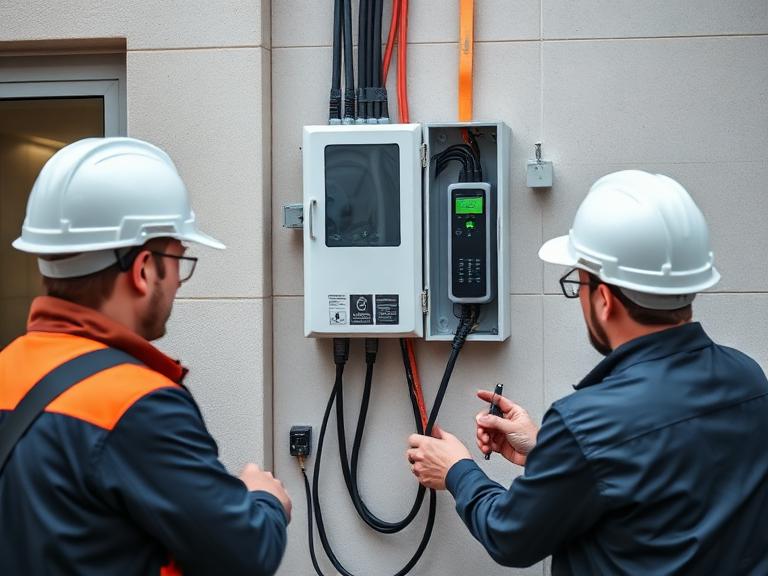
Safety remains one of the most critical aspects of EV charger installation.
Professional installations typically include:
- Proper earthing
- Surge protection devices
- Overcurrent protection
- Short-circuit protection
- Residual Current Devices (RCD)
- Weatherproof enclosures for outdoor chargers
- Emergency isolation switches
- Cable management systems
These measures help protect users, vehicles, and electrical equipment.
Smart EV Charging Features
Modern EV charging systems offer much more than basic charging functionality.
Popular smart features include:
- Mobile app control
- Remote monitoring
- Charging schedules
- Load balancing
- RFID authentication
- User access management
- Energy consumption reports
- Online diagnostics
- Cloud connectivity
- Software updates
These capabilities improve operational efficiency while enhancing the user experience.
Benefits for Residential Customers
Installing a home EV charger provides convenience and greater control over charging routines.
Key advantages include:
- Overnight charging
- Lower electricity costs during off-peak hours (where applicable)
- Reduced dependence on public charging stations
- Enhanced charging safety
- Better battery management
- Increased property value
Home charging is particularly beneficial for daily commuters who prefer starting each day with a fully charged vehicle.
Benefits for Commercial Properties
Commercial establishments increasingly recognize EV charging as a valuable amenity.
Benefits include:
- Attracting EV-driving customers
- Supporting employee charging
- Demonstrating sustainability initiatives
- Enhancing property appeal
- Creating additional service opportunities
- Preparing for future EV growth
Businesses that invest early in charging infrastructure are often better positioned to meet evolving customer expectations.
Fleet Charging Solutions
Fleet operators require charging systems that maximize operational efficiency.
Typical industries include:
- Logistics companies
- Delivery services
- Taxi operators
- Corporate transportation
- Bus fleets
- Municipal services
Fleet charging systems may incorporate:
- Scheduled charging
- Load optimization
- Vehicle prioritization
- Remote monitoring
- Fleet analytics
- Energy management software
These features help reduce downtime while improving vehicle availability.
EV Charging Solutions for Apartment Communities
As EV ownership grows, residential societies increasingly require shared charging facilities.
A professionally designed apartment charging system can include:
- Individual user authentication
- Smart metering
- Usage-based billing
- Load management
- Reserved charging slots
- Centralized monitoring
- Expandable infrastructure
Such systems support both current and future residents without overloading the building’s electrical infrastructure.
Cost Factors for EV Charger Installation in Hyderabad
Installation costs vary depending on several technical and project-specific factors.
These include:
| Factor | Impact on Cost |
|---|---|
| Charger Type | AC chargers generally cost less to install than DC fast chargers. |
| Charger Capacity | Higher-capacity chargers typically require more robust infrastructure. |
| Electrical Upgrades | Panel or transformer upgrades increase project costs. |
| Cable Distance | Longer cable runs require additional materials and labor. |
| Civil Works | Trenching, foundations, or protective structures may add to costs. |
| Number of Chargers | Multi-charger projects involve more extensive planning and installation. |
| Network Features | Smart charging and remote monitoring systems may increase costs. |
| Maintenance Requirements | Long-term service agreements can influence total project investment. |
A professional site survey provides the most accurate estimate based on project requirements.
Common Challenges During Installation
Although EV charger installation is becoming more common, projects can encounter technical challenges.
Limited Electrical Capacity
Older buildings may not have sufficient electrical capacity for high-power charging systems.
Solution:
- Electrical upgrades
- Load balancing
- Smart energy management
Parking Constraints
Available parking layouts may limit charger placement.
Solution:
- Strategic charger positioning
- Wall-mounted installations
- Pedestal-mounted chargers
- Optimized cable routing
Future Expansion
Some installations are designed only for current demand, making future upgrades more difficult.
Solution:
Plan infrastructure with scalability in mind, including spare electrical capacity and conduit provisions.
Network Connectivity
Smart chargers require stable internet connectivity for monitoring and management.
Solution:
Use reliable wired or wireless communication systems appropriate for the installation environment.
Best Practices for EV Charger Installation
Following industry best practices helps ensure safe and efficient operation.
- Conduct a professional site assessment before installation.
- Select charger capacity based on actual usage requirements.
- Use certified electrical components.
- Ensure proper earthing and surge protection.
- Install chargers in accessible locations.
- Provide adequate lighting around charging areas.
- Schedule routine inspections and preventive maintenance.
- Monitor charger performance regularly.
- Keep charging software updated.
- Design infrastructure for future expansion.
Why Preventive Maintenance Matters
Installing an EV charger is only the beginning. Regular maintenance helps maintain performance and extend equipment life.
Preventive maintenance may include:
- Visual inspections
- Electrical testing
- Connector cleaning
- Cable inspection
- Software updates
- Performance verification
- Safety checks
- Component replacement when required
Routine maintenance reduces unexpected downtime and helps ensure reliable operation.
Choosing the Right EV Charger Installation Company in Hyderabad
Selecting an experienced installation partner can significantly influence the success of your project.
When evaluating a provider, consider:
- Experience with residential and commercial installations
- Technical expertise across AC and DC charging systems
- Knowledge of electrical infrastructure
- Ability to provide customized solutions
- End-to-end project management
- Installation and commissioning support
- Preventive maintenance services
- Remote monitoring capabilities
- Scalability for future expansion
- Responsive customer support
An established provider such as ZyCharge Energies Pvt. Ltd. can assist with planning, equipment selection, installation, testing, commissioning, and ongoing maintenance, helping customers deploy EV charging infrastructure that aligns with current needs while supporting future growth.
Frequently Asked Questions
1. How long does EV charger installation take?
The timeline depends on the project scope. Residential installations are often completed more quickly than large commercial or multi-charger projects, which may require additional electrical work and approvals.
2. Which charger is suitable for home use?
AC chargers are commonly chosen for residential charging because they are practical for overnight charging and everyday vehicle use.
3. Are DC fast chargers suitable for homes?
DC fast chargers are generally intended for commercial, fleet, or public charging applications due to their higher power requirements and infrastructure needs.
4. Can apartment complexes install shared EV chargers?
Yes. Apartment communities can implement shared charging systems with features such as user authentication, energy monitoring, and usage-based billing.
5. Is professional installation necessary?
Yes. Professional installation helps ensure compliance with electrical standards, safe operation, and reliable long-term performance.
6. Can businesses install charging stations for employees and visitors?
Absolutely. Offices, retail centers, hotels, hospitals, and other commercial properties can provide charging facilities for employees, customers, and guests.
7. Do EV chargers require maintenance?
Yes. Periodic inspections, software updates, electrical testing, and preventive maintenance help maintain charger performance and safety.
8. Can charging infrastructure be expanded later?
Yes. A well-planned installation can be designed to accommodate future charger additions as EV adoption increases.
9. Are smart charging features useful?
Smart charging features such as scheduling, remote monitoring, user management, and energy reporting can improve efficiency and simplify charger management.
10. Why invest in EV charging infrastructure today?
As electric mobility continues to grow, installing charging infrastructure helps properties, businesses, and fleet operators prepare for future transportation needs while offering greater convenience to EV users.
Conclusion
The transition to electric mobility is reshaping transportation across Hyderabad. As more individuals, businesses, and organizations adopt electric vehicles, dependable charging infrastructure is becoming an essential part of residential developments, commercial properties, workplaces, and public spaces.
Professional EV charger installation in Hyderabad involves far more than installing charging equipment. It requires careful planning, electrical assessment, appropriate charger selection, adherence to safety standards, and ongoing maintenance to ensure reliable long-term performance.
Whether the requirement is a single residential charger, a workplace charging facility, an apartment charging network, or a large-scale commercial charging hub, investing in well-designed infrastructure today helps support the growing demand for clean and efficient transportation.