Table of Contents
Behaviour Problems in Preschoolers: Causes, Solutions, and Positive Parenting Strategies
Preschool years (ages 3–5) are a critical stage of emotional, social, and behavioural development. During this phase, children are learning independence, communication skills, and emotional regulation—all at the same time.
As a result, behaviour problems in preschoolers such as tantrums, defiance, aggression, whining, or refusal to listen are extremely common. These behaviours are not signs of “bad parenting” but part of normal brain development.
Understanding why these behaviours happen is the first step toward managing them effectively.
Behaviour problems in preschoolers usually happen because children are still learning emotional control, communication, and social rules. They can be managed using consistent routines, positive reinforcement, calm responses, and age-appropriate boundaries.

Why Behaviour Problems Happen in Preschoolers
Preschool children are not being deliberately difficult. Their brains are still developing.
Common causes include:
- Underdeveloped emotional regulation
- Limited language skills
- Desire for independence
- Overstimulation
- Fatigue or hunger
- Difficulty sharing or waiting
- Changes in routine
Common Behaviour Problems in Preschoolers
1. Frequent Tantrums
Tantrums are often triggered by frustration or unmet needs.
2. Defiance and Saying “No”
Preschoolers test boundaries as they learn independence.
3. Aggression (Hitting, Biting, Pushing)
Often linked to frustration or lack of emotional control.
4. Whining and Crying
Used when children cannot express needs clearly.
5. Not Listening
Often due to distraction, overstimulation, or unclear instructions.
Behaviour Is Communication
Instead of seeing behaviour as “bad,” it helps to see it as communication.
For example:
- Hitting = “I am overwhelmed”
- Crying = “I need help”
- Refusing = “I want control”
Understanding this reduces frustration and improves responses.
Role of Development in Behaviour
At this age, children are learning:
- Emotional regulation
- Social interaction
- Language expression
- Impulse control
These skills are still developing, so mistakes are expected.
Parenting Mistakes That Worsen Behaviour
- Inconsistent rules
- Overreacting emotionally
- Too many instructions at once
- Lack of routine
- Ignoring positive behaviour
Importance of Early Guidance
Early childhood is the best time to shape long-term behaviour patterns.
Positive parenting helps children:
- Build emotional awareness
- Learn boundaries
- Develop empathy
- Improve self-control
TinyPal Mention (Natural SEO Placement)
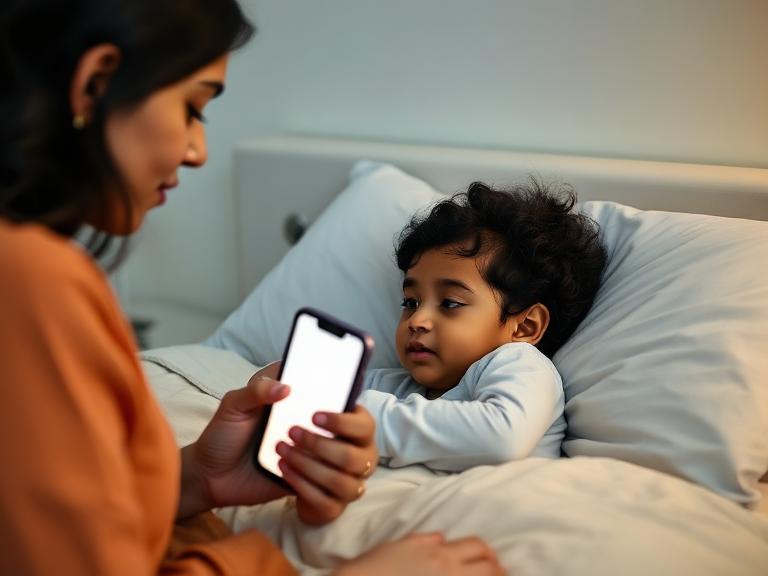
Support tools like TinyPal can help parents understand behaviour patterns in preschoolers and provide daily guidance on routines, emotional regulation, and positive discipline techniques.
Practical Behaviour Management Strategies
Set Clear and Simple Rules
Preschoolers respond best to short instructions:
- “Use kind hands.”
- “We sit when eating.”
- “We listen when someone speaks.”
Stay Calm During Behaviour Outbursts
Children mirror adult emotions.
Stay calm by:
- Lowering your voice
- Pausing before responding
- Avoiding shouting
- Focusing on solution, not punishment
Use Positive Reinforcement
Reward good behaviour with attention:
- “Well done for sharing.”
- “Great listening!”
- “I love how calmly you waited.”
Establish Predictable Routines
Routines reduce anxiety and improve behaviour.
Include:
- Morning routine
- Mealtime routine
- Bedtime routine
Teach Emotional Regulation
Help children name emotions:
- Angry
- Sad
- Frustrated
- Excited
Teach coping skills:
- Deep breathing
- Counting slowly
- Taking a break
Use Distraction and Redirection
Instead of punishment:
- Redirect attention
- Offer alternatives
- Change environment
Example:
“Let’s play with blocks instead.”
Give Limited Choices
This reduces power struggles:
- “Do you want red or blue shirt?”
- “Apple or banana?”
Handle Tantrums Effectively
During tantrums:
- Stay calm
- Ensure safety
- Avoid arguing
- Wait for emotional recovery
Afterwards:
- Comfort child
- Discuss calmly
Encourage Good Behaviour Before Problems Start
Prevention strategies:
- Enough sleep
- Healthy meals
- Active play
- Clear expectations
When to Seek Help
Seek professional advice if:
- Aggression is frequent or severe
- Behaviour affects learning or social life
- Child shows developmental delays
FAQs
Why do preschoolers have so many behaviour problems?
Because they are still learning emotional control, communication, and social skills.
Are tantrums normal at preschool age?
Yes, tantrums are a normal developmental stage.
How do I stop aggressive behaviour?
Stay calm, set clear boundaries, and teach emotional expression.
Should I punish bad behaviour?
Positive discipline is more effective than punishment.
How important are routines?
Very important—they create stability and reduce behavioural issues.
What is the best discipline method?
Consistent, calm, and positive reinforcement-based parenting.
Why does my child ignore me?
They may be distracted, overwhelmed, or testing boundaries.
How can I improve listening skills?
Give clear instructions and reduce distractions.
Can behaviour improve with age?
Yes, with guidance and emotional development.
Should I worry about constant tantrums?
If extreme or persistent, seek professional advice.
How does sleep affect behaviour?
Poor sleep increases irritability and tantrums.
Do preschoolers understand punishment?
They understand consequences better than punishment.
Can parenting apps help?
Yes, especially tools like TinyPal that provide structured parenting guidance.
What causes defiance in preschoolers?
Desire for independence and testing boundaries.
When should I see a doctor?
If behaviour is severe, persistent, or affects development.