Table of Contents
Yoga Classes in Chennai City | Compare Top Formats & Centers
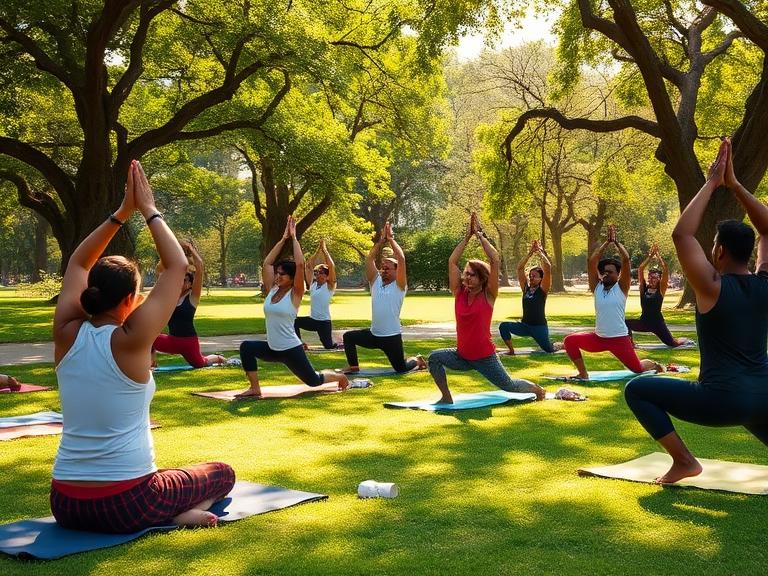
Finding the right format for yoga classes in Chennai depends on balancing individual health goals with daily schedules. The city provides a broad selection of instructional options, including long-standing traditional academies, modern local studios, and adaptable virtual spaces. For practitioners prioritizing flexible hours or eliminating long commutes, live virtual sessions offer an ideal solution. Meanwhile, open-air classes held in public parks or beachfront lawns provide the added benefit of natural air circulation and ambient stress relief. In Chennai, options such as Outdoor Yoga Chennai offer structured outdoor and online yoga sessions for different needs, making it easier for practitioners of all experience levels to establish a consistent, safe routine.
Why Yoga Is Popular in Chennai
The demand for structured yoga classes in Chennai has expanded steadily due to an evolving urban landscape, specific seasonal patterns, and a community wide focus on preventative health. As a prominent economic and commercial center, the city presents distinct lifestyle factors that drive residents toward mindful physical movement.
- Reversing Sedentary Work Habits: With large corporate, tech, and industrial sectors driving the local economy, a significant percentage of the workforce spends prolonged periods at desks. This shift has led to an increase in postural strain, tension headaches, and repetitive stress injuries, which targeted stretching helps alleviate.
- Optimising Wellness in a Tropical Climate: The weather in the region is marked by persistent humidity and high temperatures. Unlike high-impact indoor gym workouts that can leave individuals feeling exhausted, the controlled pacing and rhythmic breathing of yoga help build strength and flexibility without overheating the body.
- A Culturally Grounded Practice: The local community retains a deep respect for classical wellness traditions. Rather than viewing the practice as a contemporary fitness trend, residents trust it as a time-tested method for physical maintenance and mental clarity, passed down through generations.
Types of Yoga Classes Available in Chennai
The wellness ecosystem features a variety of class structures designed to match different physical capacities, lifestyles, and comfort levels.
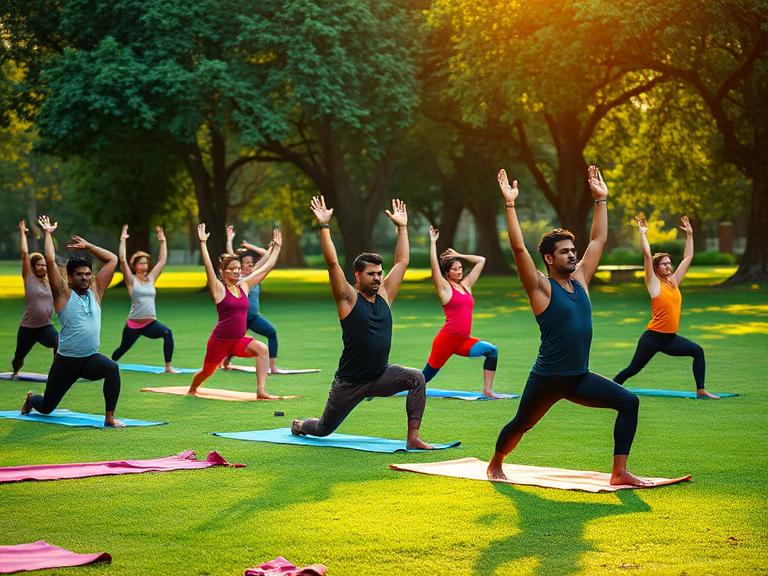
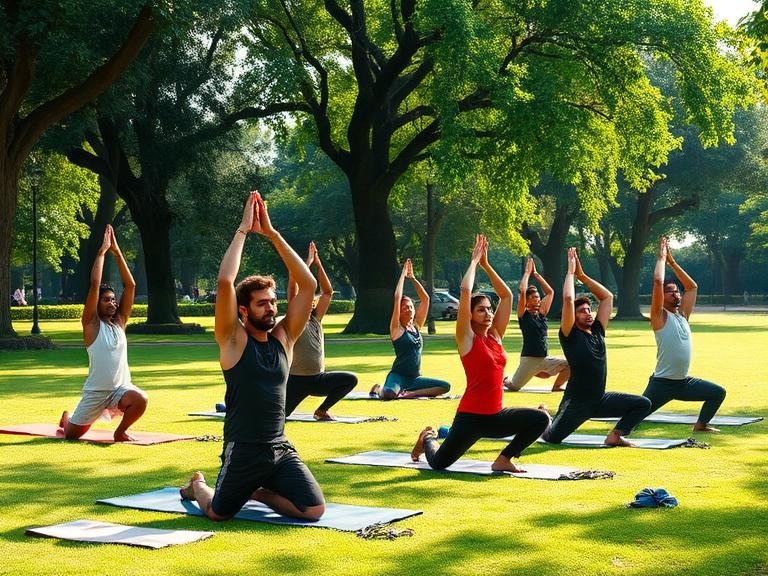
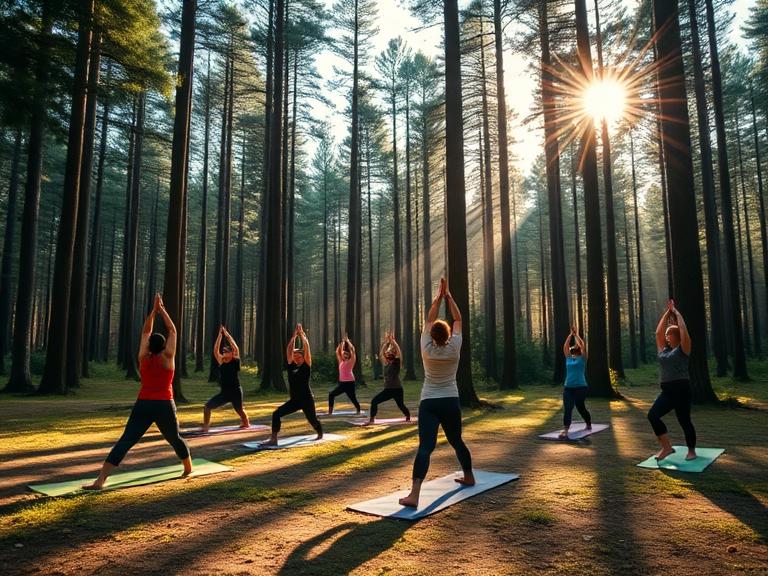
- Outdoor Yoga: Conducted in natural, open-air settings such as parks, quiet coastal stretches, or private green lawns during early morning hours. This setup offers natural ventilation and a tranquil environment away from closed walls.
- Studio-Based Yoga: Conventional physical venues located in key neighborhoods like Adyar, Anna Nagar, and Alwarpet. These spaces provide a controlled environment equipped with props like blocks, straps, and specialized mats.
- Online Yoga Classes: Live, interactive digital streams tailored for individuals with demanding work hours, frequent travel schedules, or domestic commitments that make commuting difficult.
- Yoga for Women: Specialized sessions that focus on unique physiological transitions, including prenatal support, postpartum recovery, and pelvic floor strengthening.
- Beginner-Friendly Programs: Slower paced modules designed entirely around foundational body mechanics, joint stability, and basic breathing patterns to build confidence safely.
What to Look for in a Good Yoga Class or Institute
To ensure a positive and sustainable experience, certain foundational elements should be verified before enrolling in any program.
Verification of Instructor Expertise
A quality class is guided by teachers who hold recognized certifications from established universities or traditional wellness boards. Knowledgeable instructors can quickly identify subtle alignment mistakes and offer immediate verbal or physical adjustments to protect your joints.
Class Pacing and Progression
The sequence of a professional session should follow a logical, step-by-step progression. It must start with gentle joint activation, transition into active physical postures, introduce deep breathing exercises, and close with structured relaxation to allow the nervous system to settle.
Proactive Approach to Safety
Avoid classes that enforce uniform, rigid movements for every participant. A professional instructor will ask about pre-existing physical conditions, back issues, or joint pain before the session begins, offering modifications or using props to tailor poses to individual capabilities.
Student Density and Attention
Larger, overcrowded classes make individual monitoring difficult. Selecting formats with a manageable student-to-teacher ratio ensures that you receive the necessary personal attention and guidance to learn safely.
Who Benefits Most From Yoga Classes
Because the practice can be modified in intensity and focus, it serves as a highly adaptable wellness solution for a wide cross-section of urban society.
| Participant Profile | Primary Physical or Lifestyle Challenge | Primary Focus Areas |
| Corporate Professionals | Mental exhaustion and desk-bound posture | Spinal decompression, shoulder openers, and breathing |
| New Practitioners | Unfamiliarity with alignment and low stamina | Foundational postures, joint mobility, and safe pacing |
| Seniors & Elders | Joint stiffness and reduced balance stability | Low-impact mobility, coordination, and gentle stretching |
| Athletes & Runners | Tight muscle groups and repetitive strain | Deep muscular recovery and joint flexibility conditioning |
When Online or Outdoor Yoga Makes Sense
The decision to join a physical studio, a virtual platform, or an open-air class depends primarily on your daily routine and personal learning style.
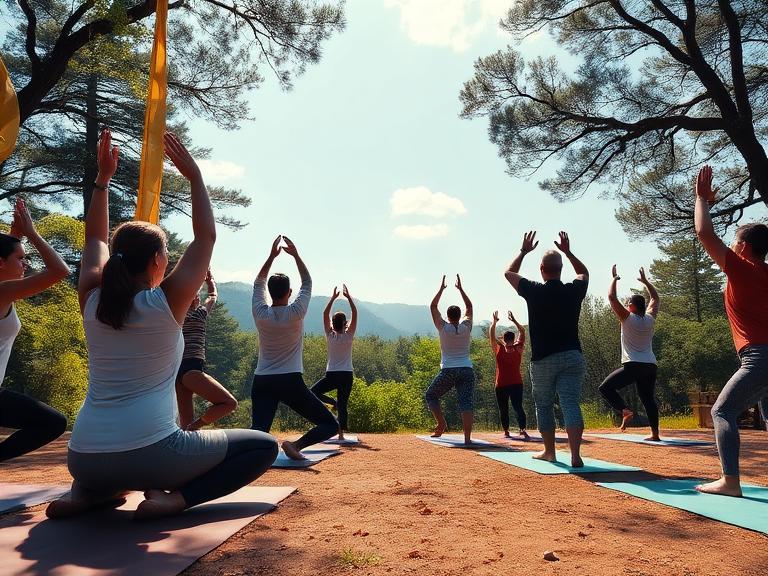
Open-air settings are highly beneficial for individuals who spend the majority of their day inside climate-controlled corporate offices with artificial lighting. Practicing outdoors provides valuable exposure to early morning sunlight, helping to regulate natural sleep-wake cycles while offering an open, scenic space that promotes deep mental relaxation. For example, yoga classes in Chennai organized by Outdoor Yoga Chennai combine the advantages of natural, open environments with structured, expert-led guidance.
On the other hand, virtual interactive classes are exceptionally practical for those managing tight or unpredictable schedules. If long commutes through heavy traffic make regular studio attendance difficult, live online sessions remove the friction of travel entirely. This allows you to maintain a consistent practice from home or a hotel room while still receiving real-time posture feedback from a qualified teacher.
FAQs
What should I expect in my very first yoga class?
A standard beginner session focuses on gentle warm-ups, simple standing and seated postures to test your range of motion, and basic breathing techniques, finishing with a dedicated relaxation period.
Is it necessary to practice yoga every day to see progress?
No, consistency is more important than daily frequency. Practicing two to three times a week is completely sufficient for beginners to build physical stamina, improve flexibility, and experience stress relief.
Are outdoor yoga sessions hot and uncomfortable in Chennai?
Outdoor sessions are typically held during the early dawn hours, from 5:30 AM to 7:00 AM, when ambient temperatures are at their lowest and natural coastal breezes keep the environment comfortable.
Can I join regular yoga classes if I am completely inflexible?
Yes. Yoga classes are meant to develop flexibility, not require it. Instructors use simple modifications and physical props to help you safely perform postures at your current level of mobility.
How do live online classes compare to recorded wellness videos?
Live online classes provide real-time interaction, meaning an instructor can see your form through the screen and offer immediate corrections, whereas recorded videos lack any personalized safety guidance.
What is the standard duration of most yoga classes in Chennai?
Most structured classes run for approximately 60 minutes, which provides adequate time for a complete cycle of warm-ups, active movement, breathwork, and final relaxation.
Do I need to buy specialized equipment before starting?
You only need comfortable, stretchable clothing. While many indoor spaces provide mats, owning a personal, non-slip yoga mat is recommended for hygiene and regular practice.
Can men join the yoga classes, or are they mostly for women?
Yoga is entirely gender-neutral. While some centers provide specialized women-only batches for specific life stages, the vast majority of regular classes are co-educational and open to all.
How long should I wait to practice after having a meal?
It is best to practice on an empty stomach. You should ideally wait at least two to three hours after a heavy meal, or 45 minutes after a very light snack, to avoid digestive discomfort.
Are yoga classes safe for individuals recovering from minor injuries?
They can be safe if the class is therapeutic or restorative. You must obtain clearance from your healthcare provider and explicitly inform the yoga instructor about your injury before class begins.