Table of Contents
Holistic Wellness on a Budget: The Definitve Guide to Affordable Yoga Centers in Chennai
Maintaining personal health in a bustling metropolitan hub like Chennai shouldn’t have to be an expensive luxury. As daily life accelerates across key transit points like the Rajiv Gandhi Salai (OMR), Mount Road, and the residential pockets of Anna Nagar, urban stress and sedentary physical habits naturally increase. Residents often face the common side effects of modern office work: lower back stiffness, elevated mental fatigue, and a decline in baseline physical fitness.
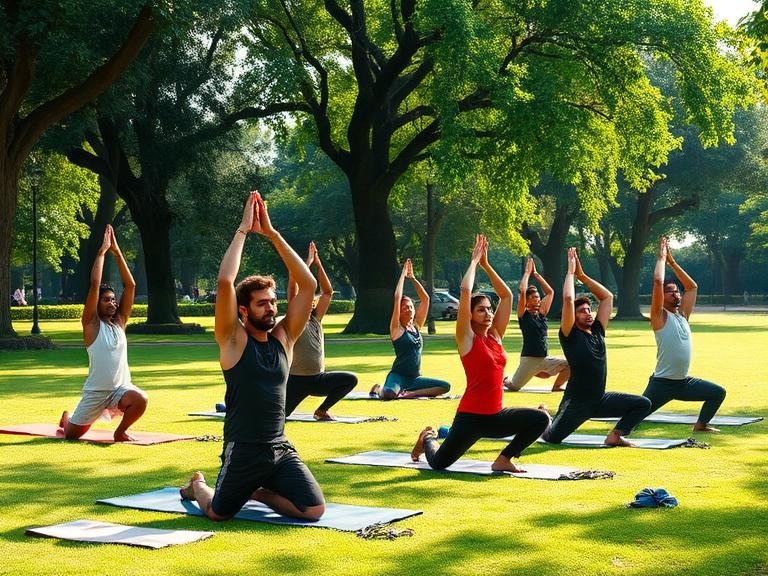
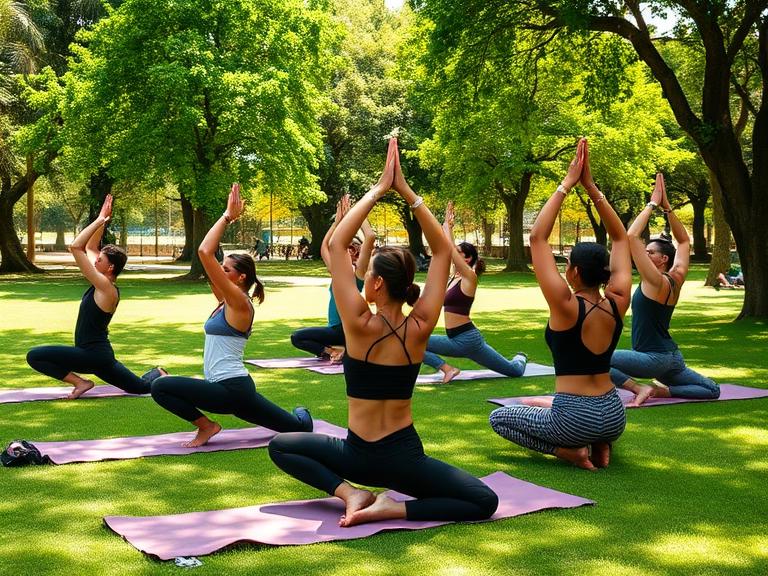
While boutique wellness studios with high-end amenities have expanded across premium neighborhoods, a significant percentage of Chennai’s residents are seeking a highly effective alternative: top-tier, affordable yoga centers in chennai. These community-centric and public institutions prove that mastering traditional practices like Hatha, Ashtanga, or therapeutic breath control (pranayama) does not require a steep monthly subscription. By prioritizing experienced instruction, classical lineages, and minimal overhead costs, these centers make authentic mental clarity and structural fitness fully accessible to students, homemakers, working professionals, and senior citizens alike.
1. Defining Financial Accessibility in Chennai’s Yoga Ecosystem
When searching for budget-friendly wellness options, it helps to understand what constitutes true affordability within the local landscape. The city’s yoga centers generally fall into three distinct price tiers:
                      [CHENNAI YOGA FEE MATRIX]
                                  │
       ┌──────────────────────────┼──────────────────────────┐
       ▼                          ▼                          ▼
[Public / Govt Trusts]     [Community Academies]      [Commercial Gyms / Studios]
• Fee: ₹200 - ₹800/mo      • Fee: ₹1,200 - ₹2,500/mo  • Fee: ₹3,500 - ₹6,000/mo
• Focus: Classical Hatha   • Focus: Multi-style/Props • Focus: Luxury / Small Group
- Public Trusts & Government Initiatives (₹200 to ₹800 per month): These spaces operate as non-profit public institutions or civic wellness centers. They focus entirely on standard community health, teaching classical methods without any decorative commercial framing.
- Community Academies & Multi-Batch Centers (₹1,200 to ₹2,500 per month): These are locally managed neighborhood institutions that strike a balance between high-quality individualized alignment and economical price points. They provide flexible morning and evening blocks to comfortably accommodate varying work shifts.
- Commercial Gym Bundles & Premium Boutique Studios (₹3,500 to ₹6,000+ per month): These premium, climate-controlled environments feature small group batches, high-end design accents, and specialized lifestyle counseling, which inherently increases monthly overhead costs.
Choosing a community academy or a public trust allows you to receive guidance from senior teachers—many of whom hold advanced university degrees in yogic sciences—at a fraction of boutique studio costs.
2. Top Highly Budget-Friendly Yoga Institutions in Chennai
If you are looking for highly effective, structured training that respects your monthly budget, these trusted, long-standing institutions offer exceptional value across the city:
World Peace Foundation — Multiple Neighborhood Batches
Operating with a primary mission of widespread community health integration, this organization coordinates some of the most accessible group formats in Chennai.
- The Financial Breakdown: Monthly group batch contributions typically range between ₹500 and ₹1,000, making it a preferred choice for students and senior citizens.
- The Practice Approach: Classes place a strong emphasis on traditional Hatha flows, step-by-step joint mobilization (Pavanamuktasana series), and simple breathing routines designed to reduce hypertension and everyday anxiety.
Shiva Yoga Kendra — Kilpauk & North Chennai Pockets
A respected neighborhood institution celebrated for its family-friendly environment and dedicated youth and senior developmental programs.
- The Financial Breakdown: Standard monthly class blocks range between ₹1,000 and ₹1,800, featuring flexible attendance windows across early mornings and evenings.
- The Practice Approach: The resident instructors specialize in gentle postural correction and steady, meditative holding patterns. They frequently incorporate meditation practices for children and targeted mobility sequences for older adults experiencing age-related joint stiffness.
Thirumoolar Traditional Yogalayam — Kelambakkam & OMR Suburbs
Positioned beautifully to serve the growing residential and IT employee populations along the southern corridors, this center preserves traditional Tamil yogic texts.
- The Financial Breakdown: Group classes are highly economical, averaging ₹1,200 to ₹2,000 per month, providing an affordable wellness solution for corporate professionals looking to counter long desk hours.
- The Practice Approach: Deeply rooted in the teachings of ancient classical texts, the classes blend physical structural alignment with restorative breathing practices, helping students build natural physical endurance and deep mental focus.
Government College and Institutional Distance Learning Portals — Chepauk & University Centers
For individuals seeking an academic, highly structured understanding of classical yoga, public universities offer exceptionally affordable public workshops and foundation courses.
- The Financial Breakdown: Short-term certificates and foundational public wellness courses run by state physical education frameworks can cost as low as ₹500 to ₹1,500 per entire module.
- The Practice Approach: These programs focus on the scientific, anatomical, and psychological aspects of yoga. They are an ideal choice for purists who want to understand the foundational mechanics of movement without commercial distractions.
3. Structural Comparison: Finding High Value at Low Cost
Evaluating different class formats ensures you select a structure that aligns with your daily routine and financial goals:
| Core Operational Factor | Public Trust / Government Center | Community Yoga Academy | Online Live Group Format |
| Average Monthly Cost | ₹200 – ₹800 | ₹1,200 – ₹2,500 | ₹1,000 – ₹2,000 |
| Typical Class Size | 25 to 40 participants per batch. | 12 to 20 participants per batch. | 15 to 30 screens per live stream. |
| Amenities Provided | Basic open hall space; students bring personal mats. | Essential props available (blocks, cotton yoga straps). | Practice from home using your personal space and props. |
| Best Suited For | Self-motivated individuals who prefer classical practices. | Beginners needing direct, personal alignment corrections. | Busy professionals trying to eliminate commute times. |
4. Key Physical Target Areas of a Balanced Hatha Routine
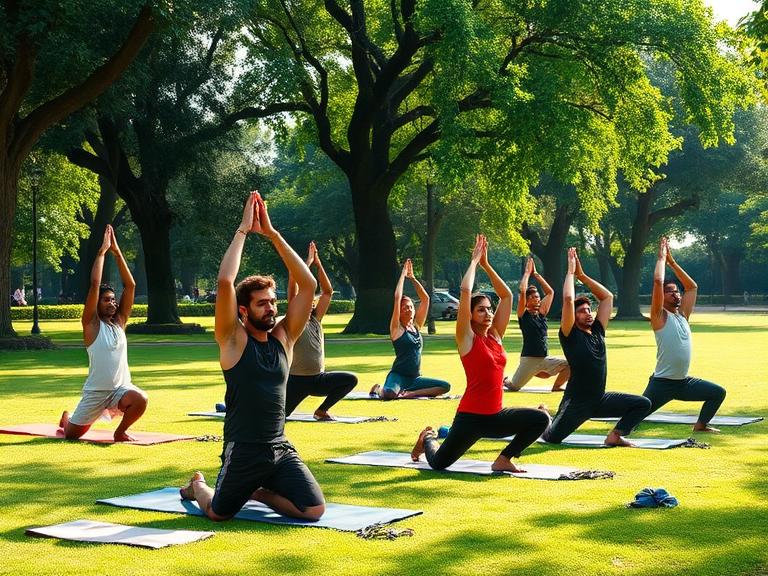
An affordable, traditional group class centers around building structural longevity by supporting the entire skeletal frame:
                            [THE CORE SYMMETRY]
                                     │
       ┌─────────────────────────────┼─────────────────────────────┐
       ▼                             ▼                             ▼
[Spinal Flexion Axis]         [Pelvic / Hip Girdle]        [Respiratory Chamber]
• Cat-Cow variations          • Deep active squats         • Diaphragmatic breathing
• Gentle cobra extensions     • Seated butterfly holds     • Alternate nostril calming
• Restores lumbar cushion     • Releases seated tension    • Lowers heart rate markers
The Spinal Flexion Axis
Maintains natural mobility through safe, multi-directional movements. Group flows utilize accessible poses like Marjariasana (Cat-Cow) and gentle Bhujangasana (Cobra Pose) to keep the spinal joints flexible and resilient.
The Pelvic and Hip Girdle
Counters the physical tightening caused by long periods of sitting during daily commutes. Long, accessible holds in Baddha Konasana (Bound Angle Pose) help improve circulation to the pelvic floor and release tension in the inner thighs.
The Respiratory Chamber
Focuses on maximizing lung capacity through dedicated breathwork. Sessions regularly allocate time to Nadi Shodhana (Alternate Nostril Breathing) to help steady the pulse, balance both hemispheres of the brain, and clear mental fatigue.
5. A Safe, Balanced Progression for Beginners
To build a consistent practice without overstraining your muscles, it is helpful to follow a gradual, step-by-step pathway. This structured progression is commonly used in community centers to help new practitioners build strength safely:
The Gradual Physical Integration Pathway
1.1. Joint Mobilization & Foundation Movements:Duration: Weeks 1-2 | Fee Focus: Baseline Entry.
Begin with low-impact floor movements designed to gently release stiffness in the ankles, knees, and hips. Practice basic sequences like Sukhasana twists and gentle chest openers while keeping your breathing slow and steady.
Anatomical Benefit: Lubricates joint surfaces safely, improves immediate circulation, and prepares the muscular system for standing postures.
2.2. Balance Development & Core Activation:Duration: Weeks 3-6 | Fee Focus: Consistent Growth.
Gradually transition into fundamental standing and balancing postures. Poses such as Tadasana (Mountain Pose) and modified Vrikshasana (Tree Pose, using a wall for support if needed) help build steady focus and full-body stability.
Anatomical Benefit: Strengthens the muscles supporting the ankles and calves, refines your posture, and engages the deep core muscles safely.
3.3. Full Breath Integration & Moving Meditations:Duration: Ongoing | Fee Focus: Sustainable Lifestyle.
Incorporate gentle, flowing sequences like modified Surya Namaskars (Sun Salutations), matching each movement smoothly to your breath. Always close your practice with a full 8 to 10-minute Savasana (Corpse Pose) to allow your nervous system to fully absorb the benefits of the session.
Anatomical Benefit: Enhances overall cardiovascular efficiency, deepens lung capacity, and leaves you feeling calm, centered, and physically refreshed.
6. How to Identify a High-Quality, Budget-Friendly Center
A lower price point should never mean a compromise on safety or the quality of instruction. When touring neighborhood centers in Chennai, keep these three criteria in mind to ensure you get the best value:
📋 Smart Checklist for Selecting an Economical Studio
- Verify Instructor Credentials: Ensure the teachers hold valid certifications from recognized institutions (such as the Ministry of AYUSH, Quality Council of India, or established traditional universities). A qualified teacher can offer safe modifications for injuries, even in a larger group setting.
- Assess Room Ventilation: Look for spaces that prioritize fresh air circulation. Large windows and well-placed ceiling fans are often preferable to small, poorly ventilated air-conditioned rooms, as proper airflow is essential for deep breathing exercises.
- Review Class Policy Flexibility: Ask if the center allows you to make up a missed session in a parallel batch later in the week. This flexibility is highly valuable for managing unexpected work or family commitments without losing the value of your monthly membership.
7. Frequently Asked Questions
Why are some highly respected traditional yoga centers in Chennai so affordable?
Many long-standing centers operate as non-profit public charitable trusts or community service organizations. Their primary mission is to promote public health rather than maximize profit. By keeping their facilities simple and relying on a dedicated community of experienced instructors, they can pass those operational savings directly to their students.
Do affordable yoga centers require students to bring their own practice mats?
Yes, to maintain high hygiene standards and keep membership costs low, most budget-friendly and community centers request that participants bring their own yoga mats. A simple, durable cotton or rubber mat is perfectly suitable for daily practice.
Can individuals with chronic joint conditions or injuries join budget group classes?
Yes, but it is important to speak with the instructor before your very first session. A skilled teacher will guide you on how to modify poses safely and when to rest, ensuring you can participate comfortably without risking re-injury. If your condition is severe, it may be best to start with a few one-on-one therapy sessions before transitioning into a standard group batch.
What is the typical monthly fee for a community yoga center in Chennai?
In 2026, standard group classes at neighborhood community centers generally range from ₹1,200 to ₹2,500 per month for thrice-weekly sessions. Public trust or government-supported programs can be even more economical, often ranging between ₹200 and ₹800 per month.
Are there dedicated affordable batches for working professionals who have tight schedules?
Yes, almost all community centers offer early morning batches (starting as early as 5:30 AM or 6:00 AM) and evening options (running from 6:30 PM to 8:00 PM). These flexible times allow you to complete your practice comfortably before or after your workday commute.
Is it beneficial to start with a free trial session before committing to a monthly plan?
Absolutely. Many neighborhood centers offer a complimentary or low-cost single-class trial. Taking a trial class is a wonderful way to experience the teacher’s style, check the commute time, and ensure the class environment feels comfortable and supportive for you.