Table of Contents
Premier Elevator Modernization Hyderabad | Lift Upgrade & Safety Compliance
The urban landscape of Hyderabad—stretching from legacy commercial sectors in Abids, Koti, and Secunderabad to high-density tech corridors like HITEC City, Gachibowli, Kondapur, and financial hubs in Nanakramguda—relies heavily on vertical transportation. Thousands of residential apartments, gated communities, commercial towers, and medical institutions operate lifts installed 15 to 30 years ago.
As buildings age, their mechanical and electrical elevator systems experience severe component wear, high energy consumption, frequent breakdowns, and non-compliance with updated safety mandates. Opting for comprehensive elevator modernization in Hyderabad offers a cost-effective alternative to complete lift replacement. Modernization preserves structural components like guide rails and counterweight frames while upgrading the drive mechanisms, control electronics, safety devices, and cabin aesthetics to current technological standards.
Why Modernize? The Economic & Operational Case
Elevators engineered in the late 1990s and early 2000s were built using legacy technology: direct-on-line (DOL) AC induction motors, electromechanical relay-based controllers, mechanical floor selectors, and manual collapsible doors. Over time, these systems suffer from significant operational inefficiencies:
+-----------------------------------------------------------------------------------+
|                           LEGACY VS. MODERNIZED ELEVATORS                         |
+-----------------------------------------------------------------------------------+
| METRIC                    | LEGACY ELEVATOR SYSTEM      | MODERNIZED SYSTEM       |
+---------------------------+-----------------------------+-------------------------+
| Drive Efficiency          | Low (Geared Worm Units)     | High (PMSM Gearless)    |
| Controller Type           | Mechanical Relays           | Microprocessor-Based    |
| Energy Consumption        | High (Current Spikes)       | Low (VVVF Regulation)   |
| Ride Comfort              | High Jerk & Vibration       | Smooth S-Curve Profile  |
| Floor Leveling Accuracy   | ±15mm to ±25mm (Trip Hazard)| ±1mm to ±3mm            |
| Safety Compliance         | Outdated Regulations        | NBC 2016 & IS 14665     |
+-----------------------------------------------------------------------------------+
1. Drastic Reduction in Energy Overhead
Older geared traction machines paired with direct-start controllers consume substantial electric current every time the motor accelerates from a dead stop. Modernizing with a Variable Voltage Variable Frequency (VVVF) drive and a Permanent Magnet Synchronous Motor (PMSM) gearless machine cuts power draw by 35% to 50%. For residential housing societies in Kukatpally or Miyapur, this translates into tens of thousands of rupees saved on monthly common-area electricity bills.
2. Enhanced Passenger Safety & Code Compliance
Building safety standards in India have evolved significantly. Modernizing your elevator brings it into strict alignment with the National Building Code (NBC 2016), IS 14665 guidelines, and regional regulations enforced under the Telangana Lifts, Escalators and Passenger Conveyors Act. Key mandatory upgrades include Automatic Rescue Devices (ARD), multi-beam infrared light curtains, and emergency intercom systems.
3. Asset Lifespan Extension & Capital Preservation
Replacing an entire elevator system requires extensive civil demolition, cutting into hoistway walls, extended building downtime, and high capital expenditure. Modernization delivers up to 80% of the operational benefits of a brand-new elevator at roughly 40% to 50% of the cost, extending the operational life of the vertical transportation asset by 12 to 20 years.
Technical Pillars of Elevator Modernization
Elevator modernization is a modular engineering process. Depending on the condition of your existing installation, updates can be targeted at specific subsystems or executed as a complete overhaul.
+-----------------------------------------------------------------------+
|                 TECHNICAL PILLARS OF LIFT MODERNIZATION               |
+-----------------------------------------------------------------------+
|  [Microprocessor Controller]  --->  [VVVF Drive Acceleration]         |
|             |                                   |                     |
|             v                                   v                     |
|  [PMSM Gearless Machine]     --->  [Infrared Safety Curtains]         |
|             |                                   |                     |
|             v                                   v                     |
|  [Automatic Rescue Device]   --->  [Cabin Interior Refurbishment]     |
+-----------------------------------------------------------------------+
1. Control System Retrofit (The Brain)
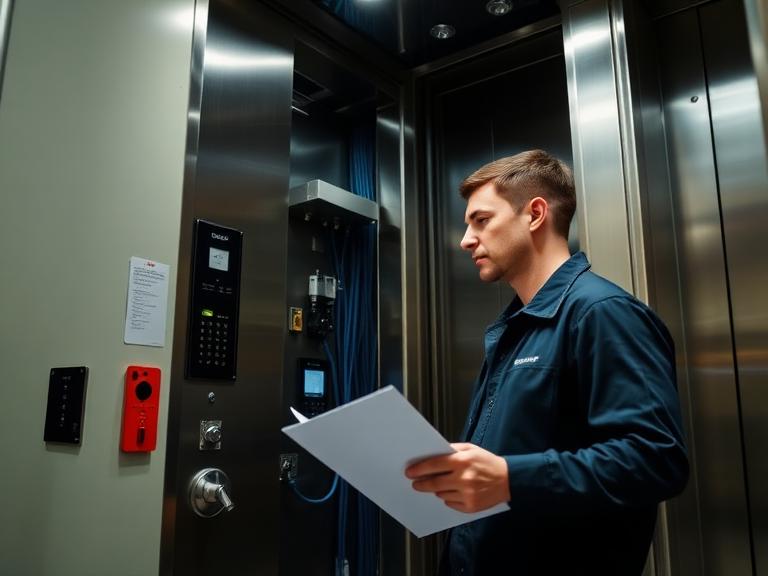
The controller coordinates floor calls, dispatches the car, manages door speeds, and monitors safety circuits.
- Legacy System: Heavy relay logic boards prone to contact pitting, short circuits, and difficult troubleshooting.
- Modernized Solution: Microprocessor-based digital controllers with non-volatile error-logging memory. These systems feature real-time self-diagnostics, traffic-handling algorithms, and plug-and-play compatibility with building management systems (BMS).
2. Drive & Traction Machine Upgrade (The Muscle)
- Legacy System: Heavy cast-iron worm-and-gear traction machines requiring regular gear oil changes, prone to leakage, and exhibiting low mechanical efficiency.
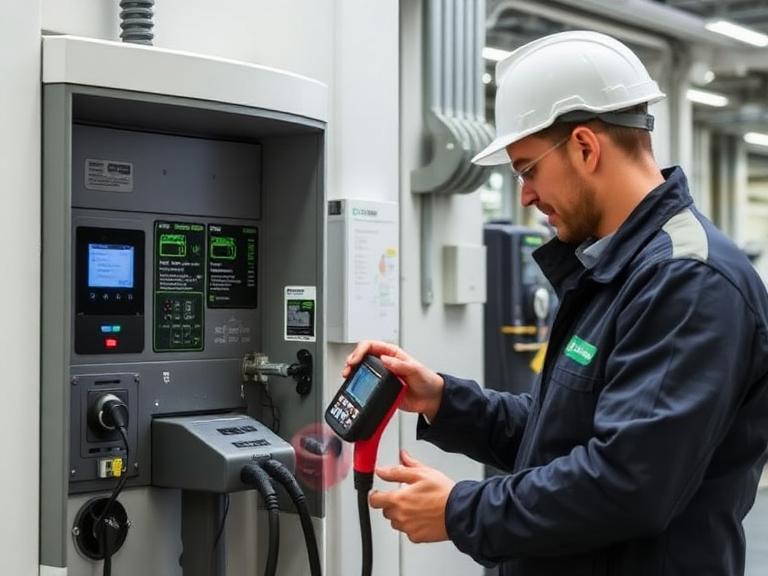
- Modernized Solution: PMSM Gearless Motors. Unaffected by mechanical friction losses, these compact gearless drives run virtually silently, generate zero oil pollution, require less space in the machine room, and deliver exceptional torque performance across all load levels.
3. Door Operators & Landing Door Mechanisms
Door failures account for over 70% of all elevator service calls globally.
- Legacy System: Mechanical cam-and-belt door operators using mechanical edge switches that physically hit passengers before retracting.
- Modernized Solution: VVVF-controlled automatic door operators paired with full-height infrared light curtains. Projecting dozens of invisible infrared beams across the entrance, the door detects obstacles without physical contact and reverses instantly to protect passengers.
4. Safety Device Suite & ARD Integration
- Automatic Rescue Device (ARD): Sudden power cuts during Hyderabad’s summer grid surges or monsoon storms can trap passengers between floors. Modern ARD units use high-capacity gel/lithium batteries to automatically move the cabin to the nearest landing, open the doors, and release passengers within 30 to 60 seconds.
- Progressive Governor Safety Brakes: Mechanical overspeed governors lock onto guide rails in the unlikely event of rope failure or uncontrolled descent, stopping the car safely.
5. Cabin Aesthetics & User Interface
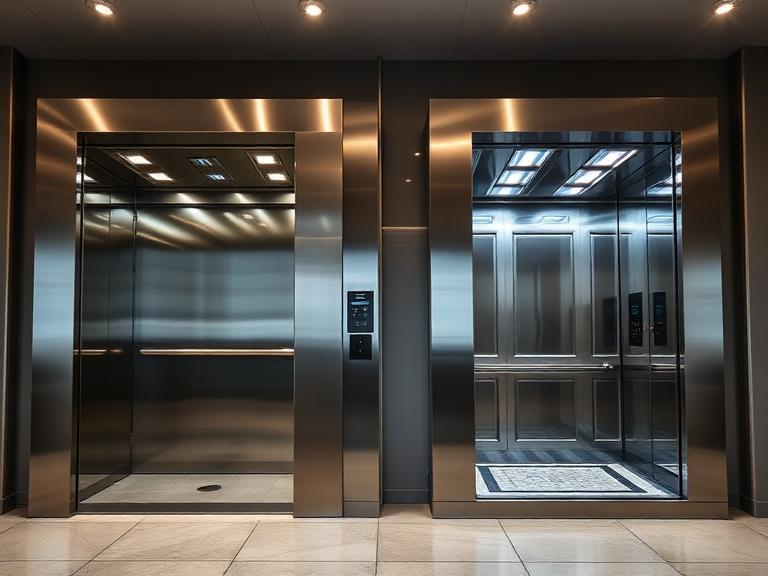
- Stainless Steel Cladding: Replacing scratched or rusted mild-steel panels with textured SS 304 (Hairline, Gold, or Mirror finishes).
- COP/LOP Modernization: Replacing analog mechanical buttons with sleek glass touch panels, capacitive push buttons, Braille markings for accessibility, and full-color TFT/LCD floor indicators.
- Energy-Efficient Lighting: Installing ambient LED ceiling panels that automatically enter sleep mode during idle periods, reducing standby power consumption.
Comparative Analysis: Scope, Timelines & Costs in Hyderabad
Understanding the scope and financial investment required for elevator modernization helps residential welfare associations (RWAs) and facility managers plan effectively.
| Modernization Tier | Targeted Upgrades Included | Typical Cost Range (INR) | Asset Extension | Ideal Application |
| Tier 1: Basic Electronic Retrofit | Microprocessor Controller, VVVF Drive, Traveling Cables, COP/LOP Panels | ₹2,50,000 – ₹4,50,000 | 7 – 10 Years | Lifts with sound mechanical gears but unreliable electronics. |
| Tier 2: Mid-Level Mechanical Overhaul | VVVF Controller, PMSM Gearless Motor, Auto Door Operators, Infrared Curtains | ₹4,50,000 – ₹7,50,000 | 10 – 12 Years | Mid-rise residential apartments in places like Dilsukhnagar, Begumpet, or Kukatpally. |
| Tier 3: Full Structural Modernization | Complete drive, controller, car frame, SS cabin refurbishment, ARD, landing doors, full safety gear | ₹7,50,000 – ₹14,00,000+ | 15 – 20 Years | High-traffic commercial towers, hospitals, and luxury complexes in HITEC City or Banjara Hills. |
Step-by-Step Modernization Execution Workflow
Executing an elevator modernization project with minimal disruption requires a structured, phase-based approach.
1.Site Inspection & Structural Audit:Comprehensive physical audit and traffic analysis.
Field engineers inspect the hoistway, measure rail alignment, check counterweight balance, test electrical insulation, and evaluate machine room thermal conditions to map out precise technical requirements.
2.Engineering Design & Component Procurement:Designing custom control architecture and sourcing components.
Based on audit metrics, engineers program custom drive profiles and source gearless motors, microprocessor controllers, traveling cables, and cabin panels.
3.System Decommissioning & Demolition:Decommissioning outdated machinery and electrical wiring.
Technicians isolate electrical feeds, lock out safety circuits, dismantle legacy geared motors, remove obsolete control panels, and strip out worn hoistway wiring.
4.Mechanical & Electrical Installation:Installing gearless drives, controllers, and car interiors.
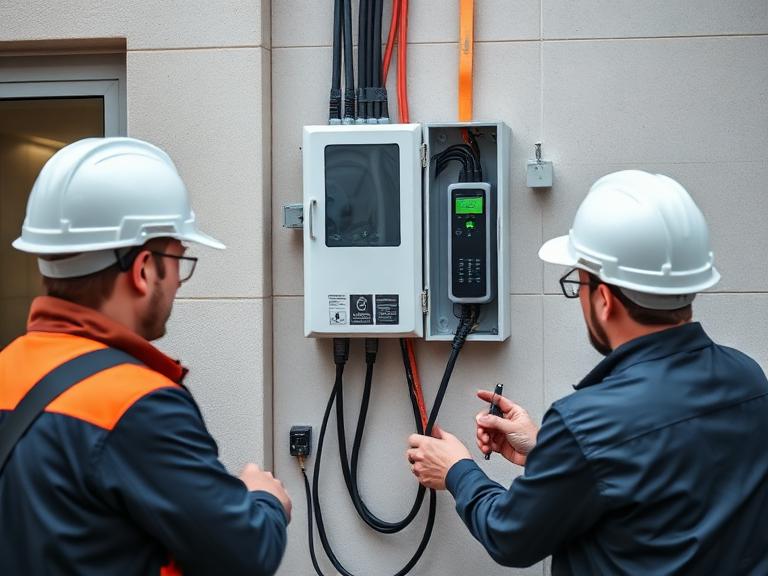
The installation crew mounts new PMSM gearless machines, installs modern control cabinets, runs flexible traveling cables, updates door operators, and fits refurbished cabin wall panels.
5.Testing, Safety Audits & Commissioning:Calibrating S-curves, safety drops, and municipal sign-off.
Engineers execute full-load drop tests, calibrate floor-leveling accuracy, test Automatic Rescue Devices (ARD), and assemble technical documentation for regulatory safety certification.
Navigating Hyderabad’s Environmental & Regulatory Challenges
1. Managing Ambient Heat in Machine Rooms
During peak summer months in Hyderabad, ambient temperatures can exceed 42°C. Legacy machine rooms located on building rooftops often trap heat, causing electronic drives and microcontrollers to trip. Modernization solves this by incorporating thermostatic exhaust systems, heavy-duty cooling fans, and modern solid-state electronics designed to operate reliably up to 55°C ambient temperatures.
2. Monsoon Readiness & Electrical Insulation
Hyderabad’s intense monsoon downpours can cause water ingress in pit spaces and power grid fluctuations. Modernized installations feature IP-rated waterproof floor switches, double-insulated earthing pathways, and heavy-duty surge protection devices (SPDs) to safeguard sensitive microprocessors against lightning strikes and voltage spikes.
Frequently Asked Questions (FAQs)
Q1: What is elevator modernization and why is it necessary in Hyderabad?
A: Elevator modernization upgrades critical mechanical, electrical, and aesthetic components of an existing lift—such as the controller, motor, doors, and interior panels—without replacing the entire hoistway. In Hyderabad, modernization improves safety, cuts power consumption by up to 40%, ensures compliance with the Telangana Lifts Act, and eliminates frequent breakdowns in aging residential and commercial buildings.
Q2: How much does elevator modernization cost in Hyderabad?
A: Modernization costs generally range from ₹2,50,000 to ₹14,00,000+ per elevator depending on scope. A basic controller and drive retrofit costs ₹2.5 Lakh to ₹4.5 Lakh, a mid-level mechanical upgrade costs ₹4.5 Lakh to ₹7.5 Lakh, and a full structural modernization ranges from ₹7.5 Lakh to ₹14 Lakh+.
Q3: How long does the elevator modernization process take?
A: Off-site engineering and component sourcing take roughly 2 to 3 weeks. On-site installation, rewiring, mechanical work, and calibration typically take 1 to 3 weeks. Total project duration ranges between 2 to 6 weeks.
Q4: What mandatory safety features are required under Telangana regulations?
A: In accordance with IS 14665 standards and regional lift laws, modernizations must integrate an Automatic Rescue Device (ARD) with battery backup, full-height infrared door safety curtains, emergency alarm systems, overload protection sensors, and fire-resistant wiring.
Q5: Is modernization cheaper than installing a brand-new elevator?
A: Yes. Modernization costs 40% to 60% less than a full replacement while delivering up to 80% of the benefits of a new system. It avoids major civil wall destruction and long building shutdowns.
Q6: Can we upgrade to a gearless motor without altering the elevator shaft?
A: Yes. Modern Permanent Magnet Synchronous Motor (PMSM) gearless machines are compact and lightweight, allowing them to fit into existing machine rooms or overhead shaft spaces previously used by older geared motors.
Q7: How does a VVVF drive reduce power consumption?
A: A Variable Voltage Variable Frequency (VVVF) drive regulates motor speed and electric current during startup and stopping, eliminating current spikes. This delivers smoother rides and cuts elevator power consumption by 30% to 40%.
Q8: What are the early signs that an elevator needs modernization?
A: Key signs include frequent breakdown calls, unlevel stops at landing floors, sudden jerks during acceleration, overheating motors during summer, noisy gearboxes, rising power bills, and obsolete spare parts that are no longer available.
Q9: Can cabin interiors be renovated without replacing the motor?
A: Yes. Interior cabin upgrades—such as stainless steel wall cladding, false ceilings with LED lights, PVC/granite flooring, and digital indicator panels—can be executed independently, provided the added weight matches the system’s counterweight balance limits.
Q10: What is an Automatic Rescue Device (ARD) and why is it important in Hyderabad?
A: An ARD is a battery-powered emergency system that activates during sudden power outages—common during Hyderabad’s summer grid surges and monsoons. It automatically safely moves the car to the nearest floor and opens the doors to release trapped passengers.
Q11: Will our building be left without elevator access during modernization?
A: In multi-lift buildings, engineers modernize one elevator at a time to keep adjacent lifts operational. In single-lift apartments, physical shutdown is kept to a minimum (usually 1 to 2 weeks), with major work scheduled during off-peak hours.
Q12: Can manual swing doors be upgraded to automatic doors?
A: Yes. Converting old manual collapsible or swing doors to automatic center-opening or telescopic doors is a common modernization upgrade in residential apartments.
Q13: How does elevator modernization impact property value in IT corridors like Gachibowli and HITEC City?
A: Upgrading legacy lifts improves building infrastructure to Class-A standards. Modern, smooth, and reliable elevators help boost rental yields, increase property resale values, and improve tenant satisfaction.
Q14: What ongoing maintenance is needed after elevator modernization?
A: Modernized elevators should be placed on an Annual Maintenance Contract (AMC). Modern controllers feature digital diagnostic systems that make routine maintenance faster and more efficient.
Q15: How can upgraded elevator electronics be protected from summer heat in Hyderabad?
A: Modernization projects involve installing automated exhaust fans, thermal cutouts, and ventilated enclosures inside the machine room to keep control microcontrollers running within safe operational temperature limits.
Upgrade Your Vertical Transportation Today
Modernizing your elevator system improves passenger safety, enhances building aesthetics, cuts energy costs, and eliminates frequent breakdown headaches.
Contact a certified elevator engineering team in Hyderabad today to request a comprehensive site inspection, traffic audit, and customized modernization proposal for your building.