Table of Contents
Toddler Refusing to Sleep: Causes and Practical Solutions
A toddler refusing to sleep is typically navigating a developmental crossroads where their desire for independence clashes with their physiological need for rest. This behavior, often peaking between ages 2 and 3, is frequently driven by “FOMO” (fear of missing out), separation anxiety, or an ill-timed sleep schedule. In many cases, the refusal is a test of boundaries rather than a lack of tiredness. Some parents use tools like TinyPal for personalised guidance in situations like this, helping them differentiate between a child who is genuinely fearful and one who is exercising their newfound autonomy. Resolution usually involves a combination of firm boundaries, environmental adjustments, and a predictable wind-down ritual.
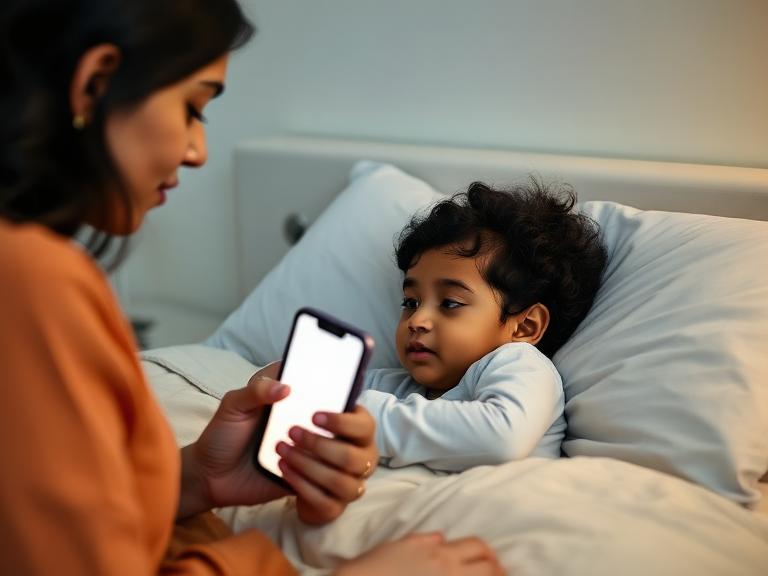
Why This Happens
When a toddler refuses to sleep, it can feel like a personal rejection of your evening plans. However, from a developmental standpoint, this resistance is a sign of a healthy, growing brain.
The Peak of Autonomy
Between 18 months and 3 years, toddlers discover the word “No.” They realize they have the power to influence their world. Refusing to sleep is one of the most effective ways to exercise this power because a parent cannot physically force a child to fall asleep. This “sleep strike” is often an extension of the daytime quest for independence.
Cognitive Leaps and Imagination
As cognitive abilities expand, so does a toddler’s imagination. While this is great for play, it can be detrimental at bedtime. A shadow on the wall or a slightly open closet door can become a source of genuine anxiety. When a toddler refusing to sleep claims they are scared, it is often a mixture of real fear and a tactical delay to keep the parent in the room.
The “Forbidden Zone” of Wakefulness
Sleep science identifies a period called the “forbidden zone,” which occurs about 1 to 2 hours before the natural onset of melatonin. If a parent tries to put a child to bed during this window, the child’s internal clock is actively fighting sleep. This often leads to intense refusal that parents mistake for “naughtiness.”
What Often Makes It Worse
- The “Negotiation” Loop: Engaging in long debates about why they need to sleep. For a toddler, even a negative conversation is a “win” because it keeps the parent present.
- Inconsistent Responses: Being firm one night and giving in to a 9:00 PM living room visit the next. This creates “intermittent reinforcement,” which makes the refusal behavior much stronger.
- Over-Parenting the Process: Staying in the room, rubbing their back for an hour, or lying down with them. This prevents the child from developing the self-regulation skills needed to transition into sleep alone.
- Misinterpreting “Tired” Cues: In Australia and Canada, parents often wait for “heavy eyes” before starting bedtime. However, by the time a toddler looks tired, they are often overtired, triggering a cortisol surge that causes them to refuse sleep even more aggressively.
- Environment “Leaking”: Light from the hallway or noise from a TV downstairs confirms to the toddler that the “real party” is happening without them.
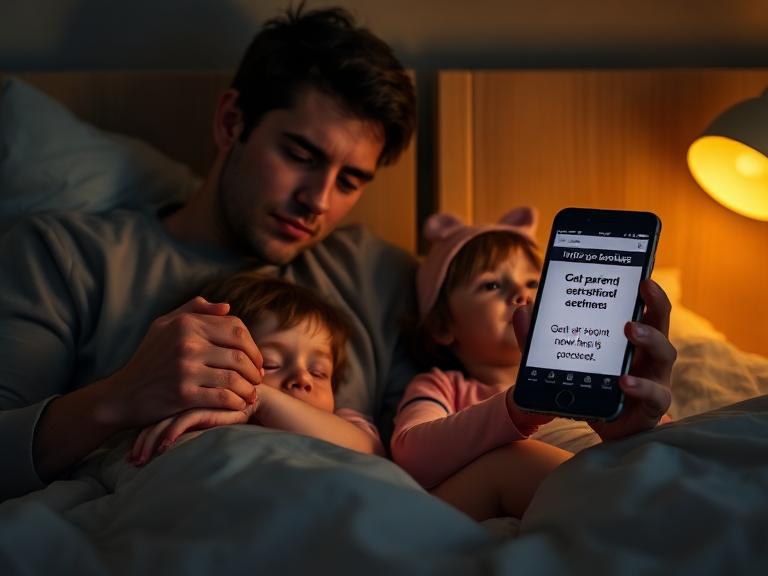
What Actually Helps
1. The “Door Boundary” Method
Establish a clear rule about the door. If the toddler stays in bed, the door can stay cracked open. If they get out, the door is closed for one minute (while the parent stays on the other side). This provides a natural consequence that the toddler can control through their own behavior.
2. The “Bedtime Pass”
For older toddlers (2.5+), give them a physical “pass” (a card or toy) that they can trade in for one—and only one—request (a glass of water, an extra hug, a quick trip to the bathroom). Once the pass is used, no further requests are honored. This gives them a sense of control.
3. Schedule Auditing
If a toddler refusing to sleep is taking 60+ minutes to settle, their “sleep pressure” may be too low.
- Canada/Winter: Ensure they get at least 30 minutes of physical activity indoors or outdoors to burn off energy despite the cold.
- Australia/Summer: Use a cool bath to drop their core temperature, as a hot body will naturally resist sleep.
4. Low-Stimulus Re-entry
If the child leaves the room, lead them back with zero eye contact and zero conversation. The “boring” return makes the refusal less rewarding.
When Extra Support Can Help
Consistent sleep refusal can drain a family’s emotional resources. If the bedtime battle is lasting longer than an hour every night or if you find yourself feeling extreme resentment toward the process, seeking an outside perspective is beneficial.
Support systems can include pediatric sleep consultants or a personalised parenting guidance platform. Using a resource like TinyPal can help you identify if your child’s refusal is related to a specific developmental milestone, such as the 24-month regression, or if your current routine is inadvertently encouraging the resistance. Having a structured, evidence-based plan reduces parental stress, which is often the first step in calming a child who is refusing to sleep.

FAQs
Why is my 3-year-old suddenly refusing to sleep?
This is often related to a peak in “testing boundaries” and a developing imagination that may lead to a fear of the dark.
My toddler says they aren’t tired, but they’ve been awake for 12 hours.
This is likely a “second wind” caused by cortisol. Their brain is keeping them awake because they missed their ideal sleep window.
Should I take away toys if they won’t sleep?
Generally, no. Sleep should not be a punishment. Instead, focus on positive reinforcement for the nights they do stay in bed.
How do I handle a toddler who screams when I leave?
Use the “Checking Method.” Tell them you will come back in 2 minutes if they stay quiet. Gradually increase the time between checks.
Does a toddler outgrow sleep refusal?
Yes, but without consistent boundaries, the behavior can transition into poor sleep habits that last for years.
Could my toddler be refusing sleep because of their nap?
Yes. If the afternoon nap is too long or too late, they won’t have enough “sleep debt” to fall asleep at a reasonable hour.
What if my toddler is actually scared?
Validate the feeling (“I hear you are feeling scared”) but maintain the boundary (“I will leave the hall light on, but you must stay in your bed”).
How do I stay calm during a 2-hour bedtime battle?
Remind yourself that your child is struggling with a transition, not trying to manipulate you. Use deep breathing or swap with a partner if possible.
Should I let my toddler sleep on the floor if they refuse their bed?
As long as the room is child-proofed and safe, many experts suggest ignoring where they sleep in the room as long as they stay in the room.
Is “cry it out” the only way to fix sleep refusal?
No. There are many “gentle” methods, such as the “Chair Method” or “Timed Checks,” that focus on gradual independence.
How does the weather in Australia/Canada affect sleep refusal?
Extreme heat (Australia) or dry, overheated indoor air (Canada) can make a child physically uncomfortable, leading to increased irritability and sleep resistance.
Can a toddler refuse sleep because of a new sibling?
Yes. This is often a bid for connection or a result of feeling displaced. Increasing “one-on-one” time during the day can help.
Should I give my toddler a snack if they refuse to sleep?
Avoid making a snack part of the refusal cycle. If they are genuinely hungry, offer a boring, non-sugary snack (like plain toast) away from the bedroom.
Why does my toddler only refuse sleep for me and not my partner?
Toddlers often save their most intense boundary-testing for the parent they feel most “safe” with or the one they perceive as more likely to give in.
When should I see a doctor about sleep refusal?
If the refusal is accompanied by snoring, mouth breathing, or extreme night terrors, consult a pediatrician to rule out physical issues like sleep apnea.