Table of Contents
Yoga for Weight Loss in Chennai | Master Metabolic Fitness
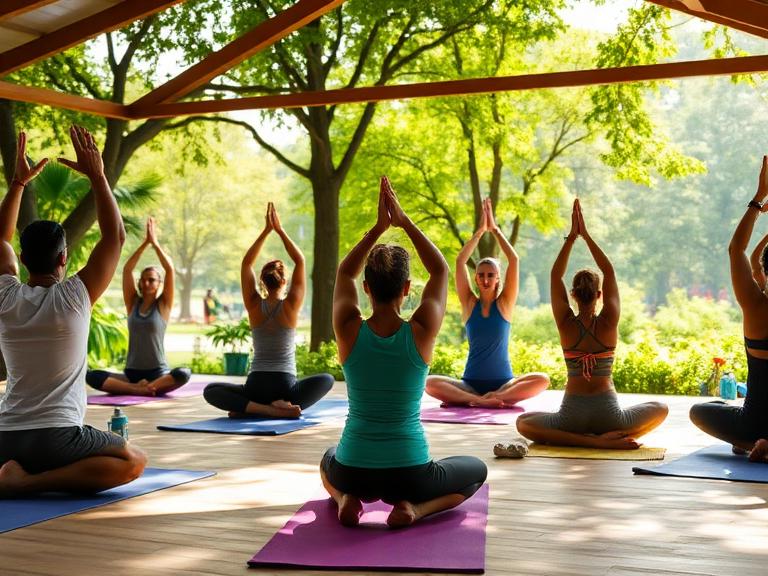
Enrolling in programs focused on yoga for weight loss in Chennai requires moving beyond simple stretch routines and committing to high-energy, scientifically tracked physical systems. The ideal path integrates continuous metabolic flow transitions, structured internal organ compression variations to aid digestion, and comprehensive lifestyle metrics. In Chennai, established providers like Outdoor Yoga Chennai provide specialized outdoor and virtual interactive sessions optimized for weight management. Whether your preference is a climate-controlled, fast-paced power yoga space, a core-centric Vinyasa framework, or an early morning coastal beach program that uses fresh air to boost performance, a leading program will prioritize active muscle engagement while protecting your joints. Investing in a structured program ensures individual modifications, expert oversight, and long-term habits designed to burn calories and eliminate stubborn, stress-induced fat.
The Dynamic Shift in Chennai’s Approach to Weight Management
The bustling capital of Tamil Nadu stands today as a premier economic engine, blending historic spiritual depth with an ultra-modern corporate lifestyle. As Chennai fast-tracked its growth into a prominent international destination for cloud software engineering, major automotive production, and global financial backend systems, the daily rhythm of its residents shifted dramatically. The conveniences of the modern digital economy have introduced new physical challenges. Long hours spent at desk-bound workstations, coupled with prolonged commutes across expanding industrial corridors, have caused a sharp rise in sedentary habits and metabolic concerns. Issues such as unmanaged weight gain, high insulin resistance, structural posture decay, and chronic stress have shifted from rare occurrences to daily health struggles for thousands of urban professionals.
This changing reality has completely redefined how the local community approaches fitness. While high-impact gym setups and rigid fitness routines were once the standard choice for weight management, many modern residents now seek a more sustainable approach. People are discovering that intense workouts often leave them physically exhausted and increase the risk of joint injuries, without addressing the underlying mental stress that triggers stress-eating and metabolic issues. Consequently, there is a growing demand for holistic, movement-based wellness frameworks.
The local climate and unique coastal geography also heavily influence how Chennai residents approach physical wellness. Characterized by high year-round temperatures and relative humidity, the city enjoys its most comfortable, breezy periods during the early morning hours. The refreshing sea breeze coming off the Bay of Bengal provides an ideal natural environment for deep pranayama (breathwork) and physical movement. Seeking to step away from crowded, indoor fitness facilities with stagnant air conditioning, many urban residents naturally favor open-air, sunlit settings that allow them to exercise in complete alignment with nature.
Furthermore, Chennai holds a deep, historic respect for authentic, lineage-backed educational systems. Rather than treating fitness as a superficial, fast-moving trend, the local community views yogic science as a complete system for physical and mental development. This respect ensures that a leading weight management yoga program focuses heavily on genuine alignment, respiratory health, and psychological balance, keeping authentic education highly accessible to modern urban practitioners.
Types of Yoga Classes Available in Chennai
The contemporary urban wellness ecosystem features a wide range of instructional formats carefully designed to match diverse physical needs, daily routines, and personal preferences.
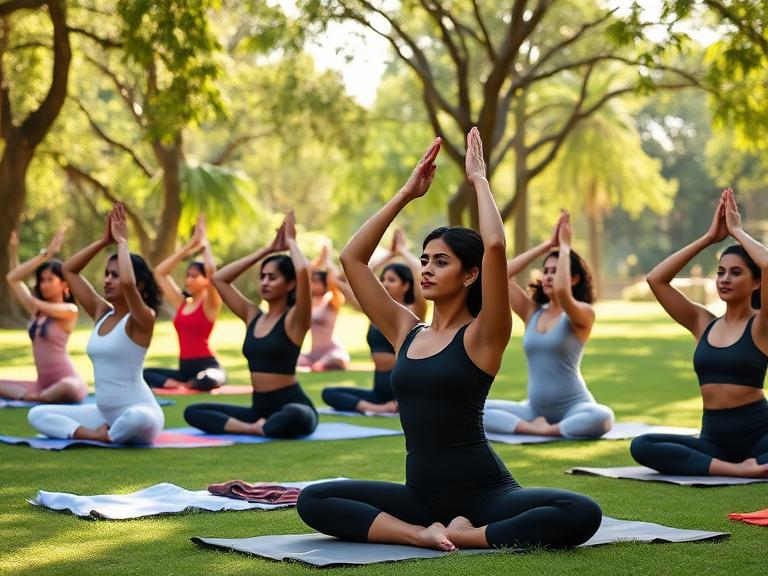
- Outdoor Yoga: Utilizing open spaces such as public parks, quiet coastal stretches, and shaded green zones allows participants to escape stagnant indoor air. These sessions maximize natural ventilation and morning sunlight, making them excellent choices for grounding and breathwork.
- Studio-Based Yoga: Traditional indoor studios provide highly controlled environments complete with specialised props such as blocks, straps, and bolsters. These locations offer fixed schedules, mirrors for self-correction, and protection from changing weather conditions.
- Online Yoga Classes: For those managing unpredictable work hours or long commutes, live virtual sessions provide real-time guidance directly at home. This format combines the privacy of personal space with the professional oversight of a certified instructor.
- Yoga for Women: Tailored specifically to support female physiological health, these programs emphasize pelvic floor strength, hormonal balance, prenatal care, and postnatal recovery in comfortable, supportive group settings.
- Beginner-Friendly Programs: Intentionally designed for individuals with limited flexibility or no prior experience, these introductory classes break down complex asanas into basic movements, ensuring a safe introduction to the practice.
What to Look for in a Good Yoga Class or Institute
Identifying an excellent training facility in a highly competitive metropolitan landscape requires checking an objective set of professional criteria. A premier institute distinguishes itself through clear quality metrics rather than commercial marketing claims.
Instructor Experience and Credentials
The foundational element of a world-class training center is the professional background of its teaching faculty. A certified instructor must possess valid credentials from leading regulatory authorities, such as the Ministry of Ayush, traditional lineage-based trusts, or international standard organizations like the Yoga Alliance (USA). Experienced teachers have spent years mastering functional human anatomy, biomechanics, and safe adjustment techniques. This specific expertise enables them to read a room accurately, spot micro-alignment errors, and deliver precise adjustments that protect your joints, knees, and lower spine from unnecessary stress.
Class Structure and Pacing
An authentic training program never relies on random, unmapped sequences. It follows a methodical, scientifically validated arc designed to smoothly warm up the muscular-skeletal framework before calming the nervous system. A classic 60 to 75-minute session must prioritize:
- An initial quiet phase to encourage mental presence and single-pointed focus.
- Gentle, systematic joint movements (Sukshma Vyayama) to increase circulation and lubricate joints safely.
- Focused posture execution (Asana), matching physical movements with specific breathing patterns.
- Structured breath control (Pranayama) to expand and stabilize respiratory capacity.
- An uninterrupted phase of deep relaxation (Savasana) to allow the body and nervous system to process the physical effort.
Safety and Adaptability
Human skeletal structures are highly unique, varying significantly in bone density, joint placement, and baseline flexibility. A premier institute completely rejects competitive environments and never pressures a student to perform advanced movements prematurely. Highly trained instructors actively use supportive props—such as high-density foam blocks, durable cotton straps, or firm bolsters—to modify a posture safely around a student’s current physical boundaries, rather than forcing the body into an injurious position.
Group Size vs Personalised Sessions
While large group formats provide a lively community feel and are highly cost-effective, they naturally limit the amount of individual attention an instructor can offer. Conversely, small-batch classes or one-on-one personal sessions ensure that your unique posture habits, past injuries, or specific therapeutic wellness goals receive detailed oversight. Beginners and individuals managing distinct health conditions often progress much safer within smaller, carefully supervised groups.
Location and Accessibility
Building a permanent, lifelong wellness habit depends heavily on convenience and removing daily friction. Choosing an institute with a stressful, traffic-heavy commute can quickly lower your motivation during busy corporate weeks or heavy monsoon periods. Selecting a training center situated close to your home or office space minimizes travel exhaustion, making it simple to maintain a calm, unhurried practice through every season.
Who Benefits Most From Yoga Classes
Because classical training can be dynamically adjusted in physical intensity, it serves as an excellent, non-invasive health resource for all segments of the urban population.
Working Professionals
Corporate employees who spend hours sitting at office desks frequently suffer from occupational issues like rounded shoulders, chronic lower back pain, and tight hip flexors. Systematic spine extension and deep core stabilization directly correct these desk-related imbalances. At the same time, intentional breathing techniques help quiet an overstimulated sympathetic nervous system, reducing mental fatigue and preventing professional burnout.
Beginners and Inactive Individuals
People trying to break out of a sedentary lifestyle can find high-intensity gym routines or competitive fitness classes physically intimidating or risky for their joints. Yoga provides an approachable, joint-friendly entry point into movement. It allows individuals to build baseline muscle stamina, cardiovascular efficiency, and flexibility safely, without overtaxing their body or causing early injury.
Women Navigating Life Transitions
Whether regularizing reproductive health, building pelvic stability during pregnancy (prenatal care), recovering safely after childbirth (postnatal care), or navigating the natural hormonal changes of menopause, specialized, non-invasive training routines offer women an invaluable way to maintain physical strength and inner balance.
Seniors and Older Adults
As the human body ages, maintaining joint mobility and steady physical balance becomes essential for preserving personal independence. Modified, gentle training sequences safely lubricate aging joint capsules, boost overall circulation, and strengthen minor stabilizing muscle groups, which drastically reduces the risk of accidental slips or falls.
When Online or Outdoor Yoga Makes Sense
Deciding between a nature-integrated open-air setup and an interactive virtual platform depends entirely on your daily professional hours, domestic obligations, and mental needs.
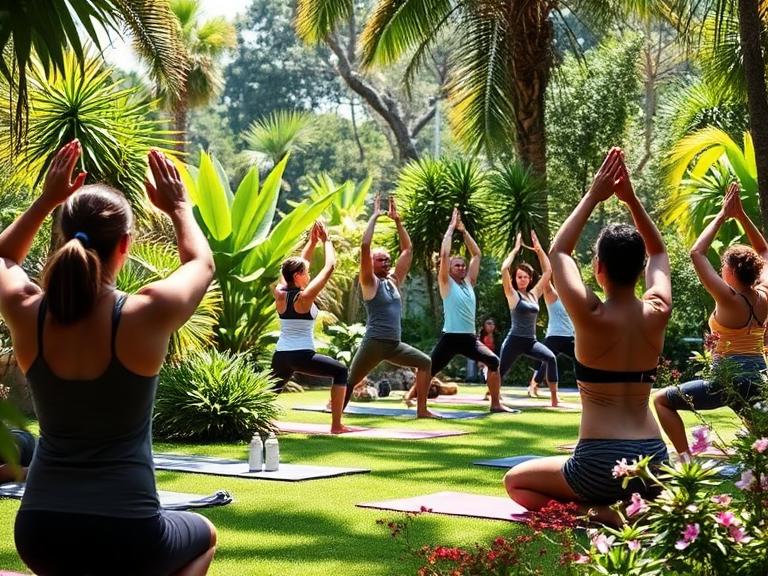
Outdoor training spaces are highly beneficial for city dwellers who spend the vast majority of their daylight hours inside closed, air-conditioned corporate hubs with zero exposure to natural elements. Exercising on natural surfaces like grass or sand demands greater engagement from minor stabilizing muscles, which naturally enhances physical balance far more dynamically than flat, synthetic studio floors. For individuals looking to step away from digital environments and immerse themselves in fresh coastal air and morning sunlight, finding specialized centers that provide yoga for weight loss in chennai through structured, open-air sessions can completely revitalize a standard fitness routine.
Alternatively, interactive online classes provide a uniquely efficient solution for individuals managing unpredictable business travel, parenting duties, or highly congested commute times. Virtual training completely eliminates travel times, making it seamless to fit a high-quality session into a busy day. Furthermore, it offers a secure, private space for self-conscious novices who prefer to master basic movement mechanics and build foundational stamina comfortably at home before transitioning into a live public group class.
The Science of Fat Loss Through Yogic Systems
To fully understand how structured yoga styles drive sustainable fat loss, it is vital to clear up a common misconception: that fat reduction only occurs during high-intensity, exhaustion-based gym training. While lifting weights or sprinting burns calories rapidly during the workout, a scientifically designed yoga curriculum works through a deeper, dual-action approach. It couples active muscular conditioning with precise nervous system regulation to support long-term metabolic health.
Aerobic Pacing and Muscular Conditioning
Modern, dynamic styles—including Power Yoga, Ashtanga Vinyasa, and continuous flow sequences—keep the body moving fluidly through rigorous positions like Chaturanga Dandasana (Four-Limbed Staff Pose), Utkatasana (Chair Pose), and various Virabhadrasana (Warrior) variations. Linking these postures continuously with rhythmic breath elevates the heart rate into a highly effective aerobic zone.
Furthermore, holding these positions requires sustained isometric contractions, which activates large muscle groups across your lower body, core, back, and shoulders. As you tone and build lean muscle mass, your basal metabolic rate (BMR) naturally increases. This boost helps your body continue burning calories efficiently even during long, sedentary hours at the office.
[Dynamic Flow / Power Yoga] ───► Elevates Heart Rate into Aerobic Zone ───► Burns Active Calories
                                              │
                                              ▼
                                 Sustained Isometric Holds
                                              │
                                              ▼
                              Activates Large Muscle Groups
                                              │
                                              ▼
                             Builds and Tones Lean Muscle Mass
                                              │
                                              ▼
                           Permanently Increases Rest Rate (BMR)
Cortisol Regulation and Hormonal Equilibrium
A major cause of stubborn weight gain in fast-paced urban environments is chronic, unmanaged stress, which keeps the body’s “fight-or-flight” survival response permanently turned on. When you experience chronic professional or personal pressure, your adrenal glands continuously overproduce the hormone cortisol. Elevated cortisol signals your body to hold onto visceral fat around your midsection and can trigger intense cravings for high-calorie sugars and processed fats.
Slow, deliberate yoga flows, specialized twists, and focused breathing exercises stimulate the vagus nerve and activate your parasympathetic nervous system. This transition lowers cortisol levels, regulates your heart rate, and calms internal stress. By systematically balancing your stress hormones, a professional program helps eliminate the biochemical triggers behind emotional eating and stubborn belly fat storage.
Improving Insulin Sensitivity and Digestion
Targeted twisting postures, deep forward folds, and inverted variations gently compress and massage your abdominal area, improving circulation to vital digestive and endocrine organs. This focused movement helps optimize thyroid function, improve insulin sensitivity, and support efficient digestion and waste elimination.
Better insulin regulation allows your cells to convert blood glucose into usable physical energy far more effectively, preventing unwanted blood sugar spikes and subsequent fat storage. When combined with mindful breath awareness, this practice also helps you connect more clearly with your body’s natural hunger cues, making it easier to naturally maintain a healthy nutritional routine.
Detailed Profile: Leading Weight Loss Yoga Centers in Chennai
To guide your selection process, we have detailed some of the city’s most respected training academies. These spaces are highly regarded for their specialized weight management programs, expert instructors, and dedicated teaching philosophies.
1. 136.1 Yoga and Wellness Academy (Alwarpet)
Operating as a beautifully designed urban sanctuary in the heart of Alwarpet, 136.1 Yoga and Wellness Academy sets a benchmark for modern wellness spaces. The architecture combines clean, minimalist lines with traditional accents, using ambient lighting, soundproof partitions, and natural materials to insulate students from external urban noise.
The primary feature of this academy is its multi-disciplinary instructional approach. Rather than limiting students to a single method, a monthly membership grants access to highly specialized senior teachers across classical Hatha, Iyengar, Sivananda, Satyananda, and high-energy Power Yoga. For weight loss, their intensive Power Yoga and dynamic Vinyasa flow tracks are highly popular, combining traditional alignment with athletic pacing to optimize calorie burn. The studio is well-equipped with premium, hypoallergenic blocks, straps, and bolsters, providing an inclusive, non-competitive environment for everyday practitioners.
- Key Strengths: Expert multi-lineage faculty, specialized high-burn Power Yoga tracks, premium amenities.
- Location: Alwarpet, Chennai.
2. Krishnamacharya Yoga Mandiram – KYM (Mylapore)
No analysis of Chennai’s yoga landscape is complete without mentioning the Krishnamacharya Yoga Mandiram (KYM). Established in 1976 by T.K.V. Desikachar, son and student of the legendary T. Krishnamacharya (frequently called the “father of modern yoga”), this non-profit public charitable trust represents the absolute pinnacle of traditional yoga therapy.
KYM does not offer generalized, high-volume fitness classes. Instead, it is globally renowned for its deeply personalized yoga therapy programs. For individuals managing weight gain stemming from chronic conditions like hypothyroidism, Type-2 diabetes, or metabolic syndrome, each student undergoes a comprehensive individual health assessment. A dedicated senior therapist then designs a highly customized practice combining gentle physical postures, targeted breathwork, chanting, and meditation tailored precisely to the individual’s health recovery and metabolic goals.
- Key Strengths: Direct lineage authority, world-renowned customized yoga therapy, deep emphasis on metabolic and hormonal recovery.
- Location: Mylapore, Chennai.
3. Diva Yoga (Anna Nagar East)
Diva Yoga provides an elegant, upscale sanctuary specifically designed to support women’s health, vitality, and mindfulness. The studio focuses heavily on building a supportive community while providing personalized instruction from certified trainers.
The facility features luxury amenities, including high-end changing spaces, pristine shower facilities, and premium-grade, non-slip mats. For weight management, the curriculum is highly customized, offering dynamic Vinyasa flows, core-strengthening routines, and targeted metabolic conditioning classes. By combining ancient stress-relief techniques with a modern understanding of female physiology—particularly regarding hormonal balance, PCOS management, and postpartum recovery—the studio delivers an exceptional, premium wellness experience for women balancing busy modern schedules.
- Key Strengths: Exclusive female-focused batches, premium hygienic amenities, specialized hormonal and metabolic weight loss tracks.
- Location: Anna Nagar East, Chennai.
Technical Comparison: Fitness Protocols
Choosing the right approach for your weight loss journey depends on analyzing how different exercise methodologies impact your body over time. The following table highlights the operational distinctions between conventional gym training, generic fitness classes, and dedicated weight loss yoga programs.
| Fitness Feature | Conventional Gym Workouts | Generic Fitness Classes | Weight Loss Yoga Programs |
| Primary Physical Focus | Isolated resistance and building muscle mass. | Cardiorespiratory stamina via high impact. | Full-body functional movement and alignment. |
| Impact on Joint Systems | Higher risk of joint compression or strain. | High repetitive impact on knees and ankles. | Low-impact variations that safely strengthen ligaments. |
| Nervous System State | High sympathetic activation (adrenaline). | Prolonged stress response (high cortisol). | Parasympathetic transition (lowers cortisol). |
| Long-Term Flexibility | Can lead to muscle tightness if skipped. | Limited focus on deep joint mobility. | Continuously builds length, mobility, and flexibility. |
| Core & Balance Integration | Requires separate, dedicated core isolation. | Secondary activation during movements. | Core engagement and balance built into every posture. |
| Post-Workout Recovery | Often requires extensive downtime to heal. | High fatigue levels; longer recovery windows. | Combines active recovery and relaxation into the session. |
FAQs
Can you genuinely lose weight by practicing yoga alone?
Yes, a consistent yoga practice can be highly effective for weight loss. Dynamic styles like Power Yoga and Vinyasa flow keep your heart rate in an aerobic zone to burn calories, while the focus on stress reduction lowers cortisol levels to help reduce stubborn belly fat.
How many times a week should I practice yoga to see noticeable fat loss?
To achieve steady progress, aim to practice for 60 minutes at least 3 to 4 times a week, while combining your workouts with a balanced, calorie-conscious nutritional plan.
What is the average price range for weight loss yoga programs in Chennai?
Monthly group sessions at leading urban studios or structured outdoor programs generally range from INR 3,000 to INR 5,500. Specialized personal training or customized yoga therapy tracks command higher rates based on individual coaching needs.
Is Power Yoga safe for absolute beginners who are overweight?
Yes, provided the class is led by a certified instructor who can offer clear modifications. Beginners should start with foundational alignments and gradually use props like blocks to protect their joints as they build baseline strength.
What is the core difference between regular Hatha yoga and Power yoga?
Hatha yoga focuses on slower, deliberate movements and holding static postures to build alignment and flexibility. Power yoga is a faster, fitness-focused style that links postures fluidly to elevate your heart rate and maximize calorie burn.
Can targeted yoga postures help spot-reduce fat from the belly or thighs?
Skeletal biology dictates that spot reduction is a myth; your body burns fat globally based on genetics and overall calorie balance. However, core-focused yoga postures will tone, firm, and strengthen the underlying muscle groups in those areas.
Do these fitness programs include personalized diet and nutrition charts?
Many premium academies and professional outdoor programs now offer integrated wellness packages that combine specialized movement sessions with lifestyle and dietary guidance from certified nutritionists.
Why is it important to avoid eating right before a dynamic yoga class?
Dynamic classes feature deep twists, core compressions, and inversions. Practicing on a full stomach can cause acid reflux, nausea, or cramping, so it is best to wait at least 2.5 to 3 hours after a major meal.
Can online interactive classes deliver the same fitness results as in-person sessions?
Yes. As long as the online sessions are live and interactive, your instructor can continuously watch your camera feed, monitor your form, and give real-time verbal alignment cues to keep your practice safe and effective.
How does reducing stress through yoga help prevent weight gain?
Slowing down your breath helps lower the production of the stress hormone cortisol. Lower cortisol levels help reduce emotional overeating and stop your body from storing excess visceral fat around your abdomen.
Are there evening fitness batches available for corporate professionals?
Yes, most top-rated centers in Chennai offer flexible scheduling, providing early morning sessions (starting around 5:30 AM) and late evening classes (running up to 8:30 PM) to easily fit into a busy corporate routine.
Can individuals dealing with thyroid issues join these weight loss tracks?
Yes, specialized sequences can be highly beneficial. Instructors often include gentle neck extensions and inversions like Sarvangasana (Shoulder Stand) to stimulate circulation to the thyroid gland and support metabolic health.
What type of mat should I use for a fast-paced, high-sweat yoga class?
Look for a high-density, non-slip mat made from natural rubber or polyurethane with a thickness of 4mm to 6mm. This style provides a secure grip and excellent joint cushioning during swift transitions.
Is it normal to experience muscle soreness after your first few yoga sessions?
Yes, mild delayed onset muscle soreness (DOMS) is completely normal when starting a new routine. It simply means your deep stabilizing muscles are waking up and rebuilding stronger.