Table of Contents
Yeast Infection Treatment in Vizag: Complete Guide 2026
A yeast infection (Candida) usually causes intense itching, redness, burning, and thick white discharge. The most reliable approach is a gynecologist-led diagnosis and antifungal treatment based on symptoms and examination—especially if the infection is recurrent, severe, or occurs during pregnancy.

2) Introduction
If you’ve ever searched online at midnight for “why is it itching down there?”—you’re not alone.
Many women in Vizag experience symptoms like:
- Sudden vaginal itching
- Thick white discharge
- Burning while urinating
- Soreness or swelling
- Discomfort during sex
And the first thought is often: “Is this serious?” or “Is it a UTI?” or “Did I do something wrong?”
The truth is: yeast infections are common, treatable, and nothing to feel ashamed about. But they can become frustrating when they keep coming back or when women self-treat repeatedly without confirming the diagnosis.
This guide explains yeast infections in a clear, doctor-led way—so you understand what’s happening, what triggers it, what treatment works, and when you should consult a gynecologist for yeast infection treatment in vizag.
3) What Exactly Is a Yeast Infection?
A yeast infection is a fungal infection most commonly caused by Candida albicans.
Candida normally lives in the vagina in small amounts. The vagina also has healthy bacteria (mainly Lactobacillus) that keep yeast under control.
A yeast infection happens when:
- yeast grows too much, or
- normal bacteria decrease, or
- the vaginal environment becomes favorable for fungal overgrowth
This results in irritation and inflammation.
4) Why Yeast Infections Are So Common in Women
The vagina is sensitive and responds to:
- hormones
- antibiotics
- blood sugar changes
- humidity
- sexual activity
- hygiene habits
In coastal cities like Visakhapatnam, humidity and sweat can sometimes worsen symptoms, especially when combined with tight clothing or synthetic underwear.
This is why women often look for reliable yeast infection treatment in vizag that doesn’t just “temporarily reduce itching,” but actually solves the problem.
5) Typical Symptoms of a Vaginal Yeast Infection
Not every woman gets the same symptoms, but common signs include:
Classic symptoms
- Intense itching (often the strongest symptom)
- Thick white discharge (curd-like)
- Redness and swelling
- Burning sensation around the vaginal opening
- Soreness
Other symptoms
- Burning while urinating (usually external)
- Pain during intercourse
- Skin cracks due to scratching
- Discomfort while sitting or walking
A key point: yeast infections often cause itching + thick discharge, while bacterial infections may cause odor and watery discharge.
6) What Yeast Infection Discharge Looks Like (And What It Doesn’t)
Yeast infection discharge is often:
- thick
- white
- clumpy
- odorless or mildly sour
It is usually NOT:
- green
- foul-smelling
- frothy
- bloody
If discharge has a strong fishy odor, it may be bacterial vaginosis, not yeast.
7) Causes and Triggers: Why Yeast Infections Happen
Understanding triggers is important for preventing recurrence.
7.1 Antibiotics
Antibiotics kill harmful bacteria—but they can also reduce protective vaginal bacteria, allowing yeast to grow.
7.2 Diabetes or High Blood Sugar
High sugar levels make yeast grow faster. Recurrent yeast infections can be an early warning sign of uncontrolled diabetes.
7.3 Pregnancy
Hormonal changes in pregnancy increase vaginal glycogen, which can support yeast growth.
7.4 Hormonal Changes (Periods, PCOS, Contraceptives)
Some women notice flare-ups:
- before periods
- after ovulation
- with hormonal pills
7.5 Tight, Non-Breathable Clothing
Synthetic underwear and tight leggings trap heat and moisture.
7.6 Excessive Washing or Douching
Over-washing disrupts natural vaginal pH.
7.7 Stress and Low Immunity
Stress doesn’t “cause” yeast infection directly, but it can lower immunity and trigger recurrences.
8) Is It Really Yeast? Conditions That Mimic Yeast Infection
This is where many women go wrong with self-treatment.
Symptoms similar to yeast infection can occur due to:
- bacterial vaginosis
- trichomoniasis
- allergic reactions to soaps
- contact dermatitis
- UTI irritation
- vulvar skin conditions (eczema, psoriasis)
So, if you’ve taken antifungal creams multiple times and symptoms return, it may not be yeast—or it may be a resistant strain.
That’s when a proper evaluation for yeast infection treatment in vizag becomes necessary.
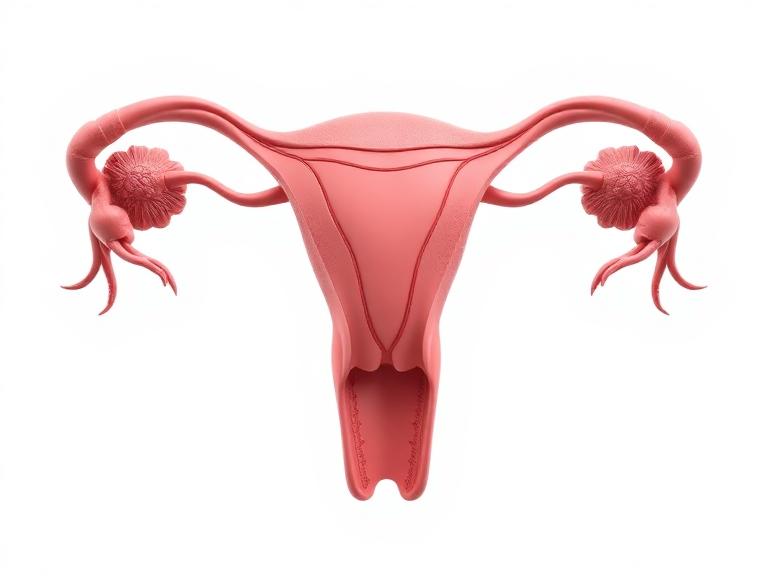
9) How Doctors Confirm Yeast Infection
In many cases, an experienced gynecologist can diagnose based on:
- symptoms
- discharge appearance
- vaginal examination
But for recurrent or unclear cases, tests may include:
9.1 Vaginal Swab
A sample of discharge is examined to confirm yeast.
9.2 Microscopy / Wet Mount
This can detect fungal hyphae.
9.3 Culture (in recurrent infections)
This identifies the yeast species and helps if treatment is not working.
10) Yeast Infection Treatment Options (Safe and Evidence-Based)
Treatment depends on:
- severity
- whether it’s first-time or recurrent
- pregnancy status
- underlying triggers
10.1 Antifungal Vaginal Creams
These may be recommended for mild to moderate cases.
10.2 Oral Antifungal Tablets
Often used when symptoms are moderate or recurrent.
10.3 Combination Approach
Sometimes both internal treatment and external soothing creams are used.
Important: Not every itching needs antifungal tablets. Overuse can cause resistance and recurrence.
A good yeast infection treatment in vizag plan focuses on both cure and prevention.
11) What You Should NOT Do (Common Mistakes)
Mistake 1: Taking random antibiotics
Antibiotics can worsen yeast.
Mistake 2: Using strong antiseptics inside the vagina
This disrupts pH and irritates tissue.
Mistake 3: Douching
Douching increases infection risk.
Mistake 4: Repeating OTC creams without diagnosis
This can mask symptoms and delay correct treatment.
Mistake 5: Ignoring recurrent infections
Recurrent yeast infection may indicate diabetes, immune issues, or resistant Candida.
12) Home Care Tips That Actually Help
While medical treatment is the main solution, supportive habits help recovery.
Helpful habits
- Wear cotton underwear
- Keep the area dry
- Avoid tight jeans and leggings during active symptoms
- Use plain water for external washing
- Change out of sweaty clothes quickly
Things to avoid
- scented panty liners
- perfumed soaps
- vaginal deodorants
- harsh scrubbing
Home care supports treatment but should not replace proper evaluation when symptoms are severe.
13) Yeast Infection During Pregnancy: What Women Should Know
Pregnancy is a time when women are more prone to yeast infections.
Why?
- hormonal changes
- increased vaginal glycogen
- reduced immunity
Why treatment must be careful
Not all medicines are suitable during pregnancy, especially in the first trimester. Treatment should be guided by a gynecologist.
If you are pregnant and have symptoms, do not self-medicate—seek safe yeast infection treatment in vizag under medical supervision.
14) Recurrent Yeast Infections: Why It Keeps Coming Back
Recurrent yeast infection means:
- 4 or more infections in a year, or
- repeated symptoms within weeks of treatment
Common reasons include:
14.1 Uncontrolled diabetes
One of the most common hidden causes.
14.2 Incorrect diagnosis
Sometimes the infection is BV or dermatitis, not yeast.
14.3 Resistant yeast strains
Non-albicans Candida can be harder to treat.
14.4 Incomplete treatment
Stopping early can lead to relapse.
14.5 Continuous triggers
Tight clothing, repeated antibiotics, poor sleep, stress.
A doctor-led approach for yeast infection treatment in vizag often includes both treatment and trigger management.
15) Can Yeast Infection Affect Fertility?
In most cases, yeast infection does NOT directly cause infertility.
However:
- chronic discomfort can affect intimacy
- recurrent infections can reduce quality of life
- symptoms may overlap with other infections that do affect fertility
If symptoms are frequent, it’s wise to get evaluated properly.

16) Can Yeast Infection Spread to the Partner?
Yeast is not considered a classic STI, but it can sometimes transfer during sexual contact.
Partner treatment is not always required, but may be considered if:
- partner has symptoms
- infections recur immediately after intercourse
Avoiding sex during active infection often helps reduce irritation and recurrence.
17) When Should You See a Gynecologist?
You should consult a gynecologist if:
- it’s your first infection and you’re unsure
- symptoms are severe
- you have pain, swelling, or cracks
- you’re pregnant
- symptoms recur frequently
- OTC treatment didn’t work
- you have diabetes or suspected sugar issues
In these cases, professional yeast infection treatment in vizag can prevent long-term recurrence.
18) Why Many Women Prefer Gynecology-Led Care in Vizag
Many women in Visakhapatnam prefer gynecology-led care for yeast infection because:
- symptoms overlap with other infections
- correct diagnosis matters
- women often want privacy and reassurance
- treatment must be safe in pregnancy
- recurrence requires deeper evaluation
Clinics focused on women’s health can evaluate:
- discharge
- urinary symptoms
- pregnancy-related concerns
- diabetes-related recurrence
19) Why Vedanta Speciality Clinics Is a Preferred Choice (Non-Promotional)
Women in and around Madhurawada often choose Vedanta Speciality Clinics (Vedanta Women and Children’s Hospital) because:
- the clinic focuses on women and children
- consultations are structured and patient-centric
- symptoms are evaluated clinically, not guessed
- continuity of care is possible under one gynecologist
- pregnancy-related infections are managed safely
This approach is particularly helpful for women seeking consistent and accurate yeast infection treatment in vizag.
20) Doctor’s Insight
Dr. Radhika Dhanekula explains…
“Yeast infection is common, but it should not be treated repeatedly without confirming the diagnosis. Many women come after using multiple creams, and the symptoms keep coming back because the cause may be different—or there may be an underlying trigger like diabetes or antibiotic overuse.”
She adds:
“In pregnancy, treatment should be chosen carefully. The goal is not only symptom relief, but also preventing recurrence through correct diagnosis and lifestyle guidance.”
Dr. Radhika Dhanekula (MS – Obstetrics & Gynaecology, MBBS) is an Obstetrician, Gynecologist, and Laparoscopic Surgeon (Obs & Gyn) with 14 years overall experience, practicing in Madhurawada, Visakhapatnam.
21) Practical Prevention Checklist (Easy to Follow)
If you’re prone to recurrence, these steps matter:
- drink enough water
- avoid staying in wet clothes
- choose cotton underwear
- avoid douching
- avoid harsh vaginal washes
- avoid random antibiotics
- manage sugar levels
- treat early symptoms properly
- follow the full course advised
Prevention is a key part of long-term yeast infection treatment in vizag.
22) FAQs (People-Also-Ask Style)
1) What is the best yeast infection treatment in Vizag?
The best treatment depends on whether it’s mild, severe, recurrent, or pregnancy-related. A gynecologist may recommend antifungal creams or tablets after confirming the diagnosis.
2) How do I know if I have a yeast infection?
Common signs include intense itching, thick white discharge, redness, soreness, and external burning while urinating.
3) Can yeast infection go away on its own?
Some mild cases may improve, but many require antifungal treatment. Delaying can worsen symptoms and prolong discomfort.
4) What causes recurring yeast infections?
Common causes include diabetes, antibiotic use, pregnancy hormones, incorrect diagnosis, resistant yeast strains, and repeated triggers like moisture and tight clothing.
5) Is yeast infection common during pregnancy?
Yes. Pregnancy hormones can increase the risk of yeast infections. Treatment should be chosen carefully under medical guidance.
6) Should I see a gynecologist for yeast infection?
Yes—especially if it’s your first infection, you’re pregnant, symptoms are severe, or the infection keeps recurring.
7) Can I use OTC antifungal creams repeatedly?
Repeated use without diagnosis is not recommended. It can mask symptoms and delay treatment of other conditions like BV or dermatitis.
8) Can yeast infection cause burning urination?
Yes. The burning is often external and happens when urine touches irritated vaginal tissue.